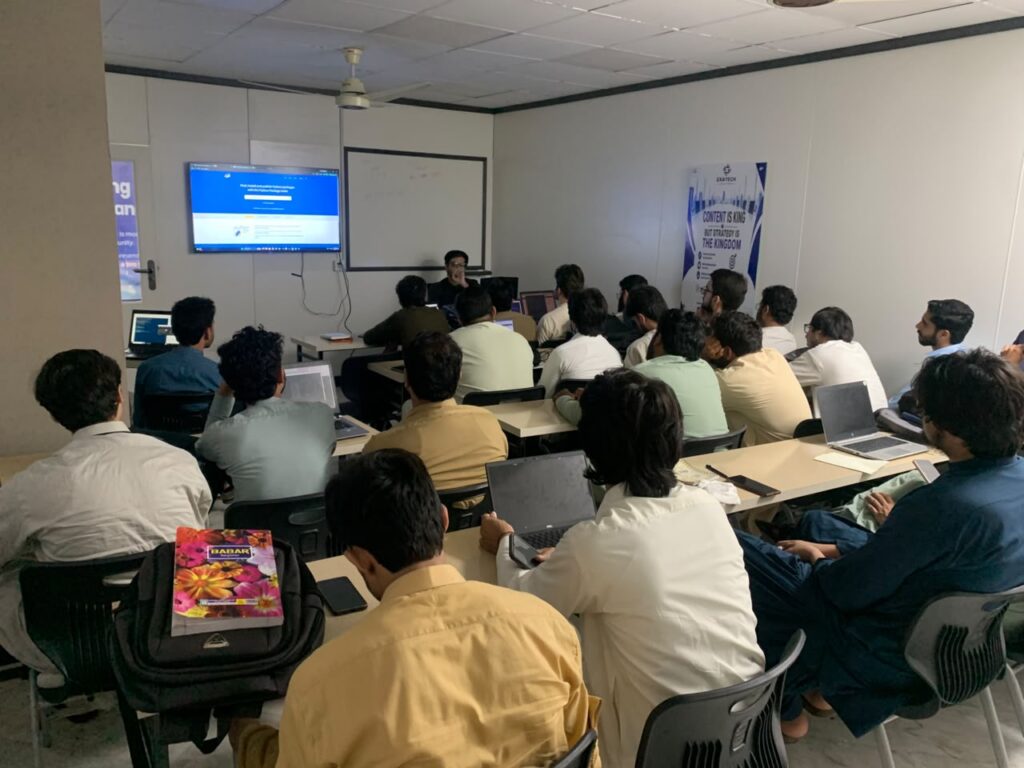
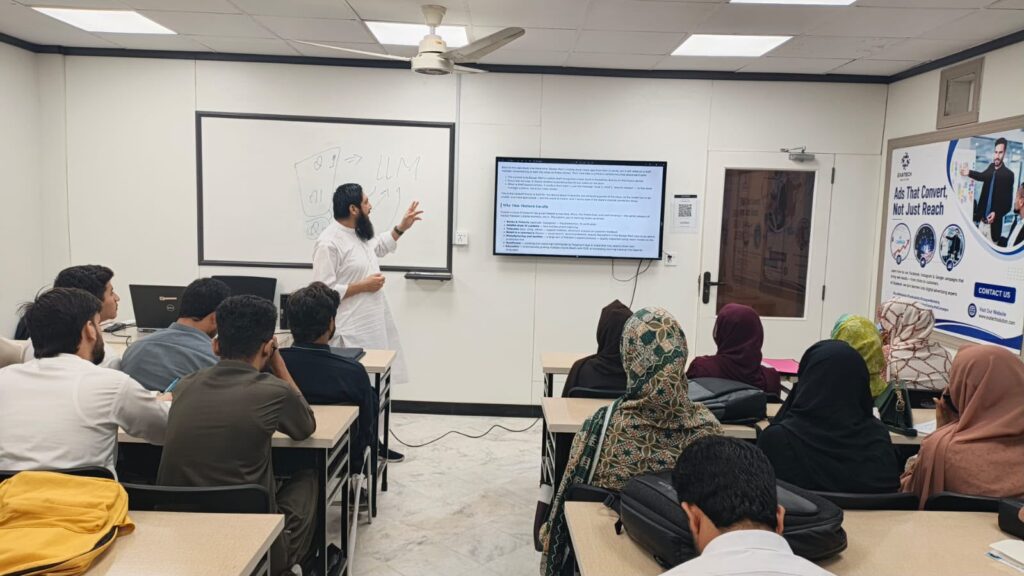
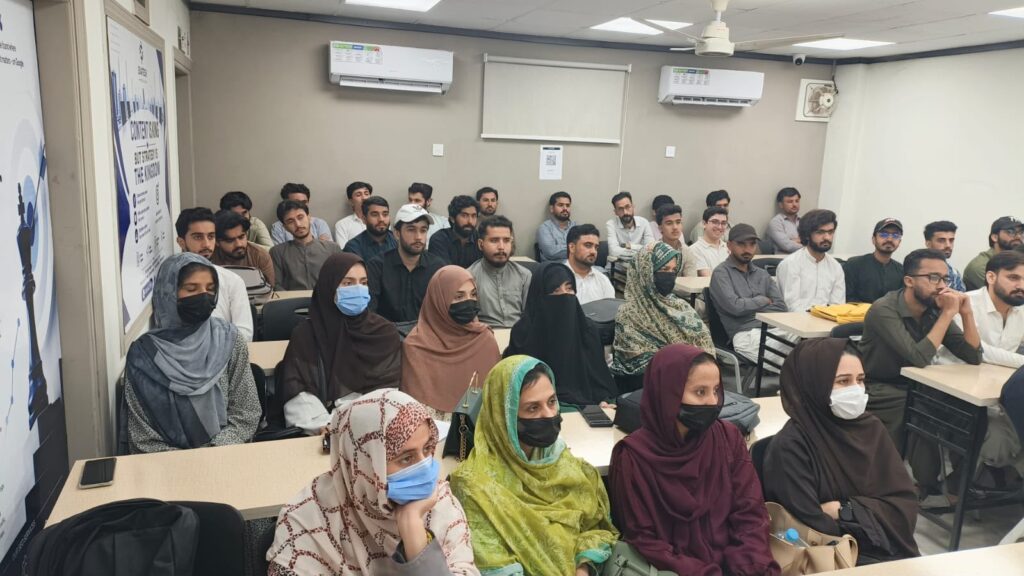
Practical IT training in Peshawar matters because there’s a real difference between knowing what a technology is, knowing how to use it, and being able to demonstrate that skill to an employer or client. Theory-only training usually only gets someone through the first of those three, which is exactly why so many graduates with strong academic records still struggle to show employers what they can actually do. This article covers why that gap exists, what practical training actually looks like course by course, why it matters specifically for Peshawar’s job seekers, questions worth asking any institute before enrolling, and how ExaTech Solution approaches this gap as one option among several in the city.
Peshawar doesn’t lack people with IT-related certificates or degrees. What it needs more of is people who can actually build, secure, design, or optimize something with the tools they’ve studied. That distinction is the entire argument of this article, and it’s worth keeping in mind while comparing any training option, not just the ones covered here.
Why Theoretical IT Training Isn’t Enough
There’s a real difference between knowing what a technology is, knowing how to use it, and being able to demonstrate that skill to an employer or client, and theory-only training usually only delivers the first. A student can understand exactly what SEO is supposed to accomplish without ever having actually improved a real page’s ranking. A student can know how a firewall works conceptually without ever having configured one. This gap between conceptual knowledge and applied ability is where most real-world hiring decisions actually get made, since employers are looking for evidence of the second and third stages, not just the first.
This three-stage distinction applies to nearly every technical or creative field, not just the ones covered here. Reading about a skill, practicing it, and being able to prove that practice to someone else are genuinely different achievements, and a training program that only gets a student through the reading stage hasn’t done the hardest or most valuable part of the work.
What Does “Practical IT Training” Actually Mean?
The specific meaning of “practical” shifts depending on the course, though the underlying idea, producing something real rather than just absorbing information, stays consistent across all six.
AI
Practical AI training means working directly on an AI-assisted workflow or project, applying tools to a real task rather than just learning what they do in the abstract. This distinction matters because AI tools change quickly enough that theoretical knowledge alone tends to age poorly, while hands-on comfort with actually using the tools transfers more easily as they evolve. AI training covers this foundational, hands-on approach.
Cybersecurity
Practical cybersecurity training means working through security labs and exercises, reasoning through a real scenario rather than memorizing definitions. Cybersecurity and Ethical Hacking training covers the CEH track specifically.
Web Development
Practical web development training means building an actual working website or feature, writing code that runs and fixing what doesn’t work the first time. Website Development training covers this from the fundamentals.
Digital Marketing
Practical digital marketing training means developing a real campaign or content strategy, not just studying marketing theory. Digital Marketing training covers this applied approach.
SEO
Practical SEO training means working directly on website or keyword optimization tasks, seeing how specific changes affect real search performance. SEO training covers this as a separate, focused course.
Graphic Design and Video Editing
Practical design training means producing portfolio-ready creative work, an actual design or edited piece, not just studying examples. Graphic Design and Video Editing training covers both disciplines together.
Why Practical Skills Matter for Peshawar’s Job Seekers
Fresh graduates, students, career changers, and freelancers all compete on demonstrated ability more than credentials alone, a pattern already reflected in national skills demand data. P@SHA’s Skills Survey 2025 found strong demand specifically for AI and machine learning tool skills, reflecting how deeply practical, applied fluency is becoming embedded inside regular hiring expectations rather than treated as a specialized extra. This shift affects every group differently. Fresh graduates need to convert academic knowledge into demonstrable skill. Career changers need proof they can perform in an unfamiliar field. Freelancers need a portfolio clients can actually evaluate before ever meeting them in person.
Entry-level roles in particular have gotten more competitive as more people enter the job market with similar academic credentials. When most candidates for a given role hold comparable degrees or certificates, the deciding factor tends to shift toward whoever can show the strongest actual work, which is exactly the advantage practical training is meant to provide.
How ExaTech Solution Approaches This Gap
ExaTech Solution positions its training around hands-on learning, industry-focused trainers, real projects, and portfolio development. As with the institute’s other claims already covered elsewhere on this site, this is stated positioning worth verifying directly rather than accepting at face value. It’s also worth being clear that ExaTech Solution is one approach among several in Peshawar’s broader training ecosystem, not the only provider working to close this particular gap between theory and applied skill.
This kind of approach isn’t unique to any single field either. Whether a student is learning AI, cybersecurity, or graphic design, the same underlying principle applies: time spent building, testing, and refining real work matters more for actual skill development than time spent passively absorbing information. How consistently a course delivers on that principle, across every session rather than just the marketing copy, is what separates genuinely practical training from training that only describes itself that way.
What Should Students Ask Before Enrolling Anywhere?
A short set of direct questions works at any institute, not just this one. Ask how much class time is genuinely practical versus lecture-based. Ask to see previous students’ finished projects, not just a general description of outcomes. Ask what you’ll actually build or produce by the end of the course. Ask whether the course uses current industry tools rather than an outdated curriculum. Ask who teaches the course and what their recent, relevant experience actually looks like. Ask whether there’s a real portfolio outcome you can show afterward.
None of these questions take long to ask, and any institute confident in its own claims should answer them clearly. If an institute seems evasive about any of them, that reluctance is worth paying attention to regardless of how polished the marketing sounds. This same set of questions works whether you’re comparing paid institutes against each other or comparing a paid option against a government-run program, since the underlying evidence, real student work, current trainers, an actual portfolio outcome, matters the same way regardless of who’s providing the training.
From Certificate to Capability
A certificate shows someone completed training; a portfolio shows what they can actually do, and employers increasingly weigh the latter more heavily. Two candidates with identical certificates can look very different to an employer once one of them has real, finished work to show and the other doesn’t. This distinction matters regardless of which institute a student trains with, and it’s worth applying as a personal standard, not just something to expect from any single course.
This is also worth remembering after a course ends, not just while choosing one. A portfolio isn’t something a course hands you automatically. It’s something you build actively during training, and the students who treat every assignment as a potential portfolio piece tend to finish with noticeably stronger material than those who complete tasks purely to satisfy a requirement.
For students weighing a paid institute against government-run alternatives, KPITB, the Khyber Pakhtunkhwa Information Technology Board, runs its own training programs covering areas like cloud computing, AI, and networking, and is worth checking directly as a separate comparison point. Contact ExaTech Solution to ask about current course details and, ideally, real examples of finished student work.
Frequently Asked Questions
Why does practical IT training in Peshawar matter more than theory-only courses?
Employers increasingly screen for demonstrated ability, not just course completion. Practical IT training in Peshawar closes the gap between knowing a concept and being able to apply it, which is what actually shows up in a portfolio or a job interview.
What does practical training actually look like?
It varies by course: a working website for web development, security labs for cybersecurity, a documented campaign for digital marketing, and a portfolio piece for design work. The common thread is producing something real, not just completing lectures.
Is ExaTech Solution the only practical IT training option in Peshawar?
No. Peshawar has a range of training providers, and ExaTech Solution is one option among several positioning its training around hands-on, practical work rather than theory alone.
What should I ask before enrolling in any IT course?
Ask how much class time is genuinely practical, whether you can see previous students’ finished work, what you’ll actually build by the end, and whether the course uses current industry tools.
Do fresh graduates need practical training even after a degree?
Often yes. Academic study builds foundational knowledge, but converting that into job-ready, demonstrable skill usually requires separate, applied practice that most degree programs don’t fully provide on their own.
Is a certificate enough to get hired in IT?
Rarely on its own. A certificate shows course completion, while a portfolio shows actual capability, and most employers weigh demonstrated work more heavily than a certificate alone.
Conclusion
Practical IT training in Peshawar matters because doing the work builds a kind of demonstrable skill that theory alone doesn’t, and this gap between knowing and doing is exactly where most hiring decisions actually get made. ExaTech Solution is one contributor to closing that gap locally, positioning its training around hands-on projects and portfolio outcomes, though it’s one option among several worth comparing directly. If you want to ask the questions covered in this article for yourself, get in touch with ExaTech Solution to talk through current course details.