Do you really need a four-year degree to start a career in tech? Not always. But choosing a short IT diploma simply because it’s faster can also limit your options later.
IT diploma vs bachelor’s degree isn’t a question with one universal answer. A diploma can be a faster way to build practical skills. A bachelor’s degree provides a broader academic qualification and keeps more long-term career and education pathways open. The better choice depends on the tech career you want, what a specific job actually requires, and how much practical experience you build alongside whichever path you choose.
IT Diploma vs Bachelor’s Degree: What’s the Difference?
A diploma is typically a shorter, more focused program built around a specific practical skill. A bachelor’s degree is a longer academic qualification covering a broader computing foundation, usually alongside internships, projects, and certifications.
Neither is automatically better. They’re built for different goals.
What Is an IT Diploma?
An IT diploma is a shorter, skill-focused program in an area like web development, digital marketing, graphic design, or cybersecurity fundamentals. Diploma programs vary considerably between institutes, so there’s no single fixed duration or curriculum that applies universally.
The common thread across most diploma programs is a focus on practical, applicable skill over broad academic theory.
What Is a Bachelor’s Degree in IT?
In Pakistan, a bachelor’s degree in computing, such as BS Computer Science, BS Information Technology, or BS Software Engineering, follows HEC’s national curriculum framework. This framework structures the degree as a four-year program built around a broad computing foundation.
HEC’s revised curriculum also now incorporates field experience, a final-year project, and industry-relevant certifications directly into the degree, rather than treating the degree as purely theoretical. You can review the current framework directly on HEC’s official curriculum page.
IT Diploma vs Bachelor’s Degree: Key Differences
A diploma is usually shorter and more skill-focused. A bachelor’s degree is usually longer and combines academic depth with practical components.
A diploma typically costs less and gets you into the workforce faster. A degree typically costs more but opens more formal, structured opportunities, including roles and further education paths that specifically require it.
Career progression after a diploma depends heavily on the skills and portfolio you build. Career progression after a degree tends to open more formal opportunities by default, simply because the qualification itself is often a listed requirement.
Which One Takes Less Time?
A diploma almost always takes less time than a four-year bachelor’s degree. Exact diploma duration varies significantly by institute and program, so this isn’t a fixed, universal number.
A bachelor’s degree in Pakistan generally follows HEC’s four-year structure for computing degrees.
Which One Gives You More Practical Skills?
This depends more on the specific program than on the category itself. A well-designed diploma focused entirely on practical, project-based work can build strong hands-on skill quickly.
A bachelor’s degree now also builds in real practical components under HEC’s revised framework, including internships and a final-year project. It’s no longer accurate to describe a degree as purely theoretical.
Which One Is Better for Getting an IT Job?
It depends heavily on the specific role and employer. Some roles weigh demonstrated practical skill more heavily. Others specifically require a bachelor’s degree as a minimum qualification.
HEC’s own skills catalogue lists a bachelor’s degree as the minimum qualification for roles like software developers, software engineers, and cybersecurity professionals. You can check the current skills catalogue directly on HEC’s website for specific role requirements.
Which One Is Better for Long-Term Career Growth?
A bachelor’s degree generally opens more formal, structured career and education pathways over time, including postgraduate study and roles that list a degree as a strict requirement.
A diploma’s long-term growth depends much more heavily on the specific skills, portfolio, and experience you build afterward, since the qualification itself carries less formal weight.
Can You Get an IT Job With a Diploma in Pakistan?
Yes, for many roles. Practical skills from a diploma are especially useful for graphic design, digital marketing, SEO, WordPress and web development, video editing, basic IT support, and some entry-level technical roles.
That said, some career paths specifically require a bachelor’s degree as a minimum qualification, regardless of demonstrated skill. Software development, software engineering, and cybersecurity roles are common examples, based on HEC’s own published skills catalogue.
Knowing which category your target role falls into matters more than assuming diplomas work everywhere or nowhere.
Why Choose a Bachelor’s Degree?
A bachelor’s degree gives you a broader computing foundation, not just one narrow skill. It’s a more formal, widely recognized qualification.
HEC’s current framework builds in internships, a final-year project, and professional certifications directly into the degree. This makes it eligible for jobs that specifically require a bachelor’s, and it keeps postgraduate study open as a future option.
A degree also generally offers more flexibility if you decide to change career direction later within the broader computing field.
Why Choose an IT Diploma?
An IT diploma suits people who want to learn a specific skill quickly. It suits people who aren’t ready to commit to a four-year program right now.
It also works well for someone who wants to add a technical skill alongside another qualification they already have, or who wants practical training before committing to something longer. People looking to upskill or switch fields relatively quickly often find a focused diploma more practical than starting a new degree from scratch.
If your immediate goal is developing a practical digital skill, a focused course can be a genuinely useful starting point.
Can You Combine a Diploma With a Bachelor’s Degree?
Yes, and many people do exactly this. A diploma can build practical, job-ready skill quickly, while a bachelor’s degree pursued alongside or afterward adds the broader academic qualification and formal recognition many roles require.
HEC’s newer curriculum framework also recognizes an Associate Degree in Computing as a skill-based pathway that can lead into BS Computer Science through a bridge semester, formally connecting shorter, skill-focused study with a full bachelor’s degree.
Where Can You Learn Practical IT Skills in Peshawar?
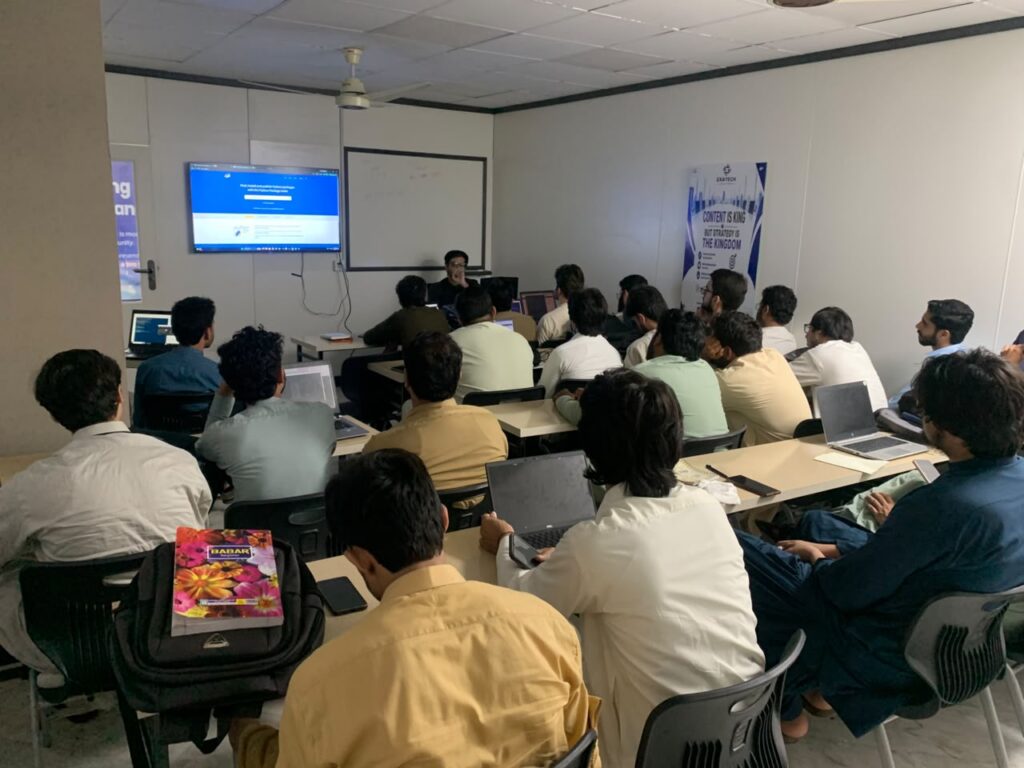
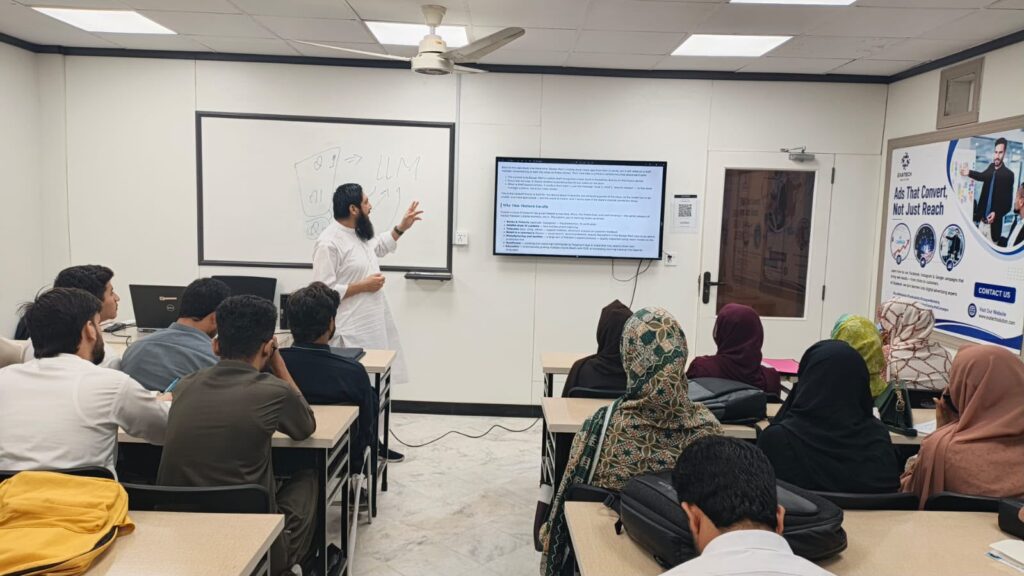
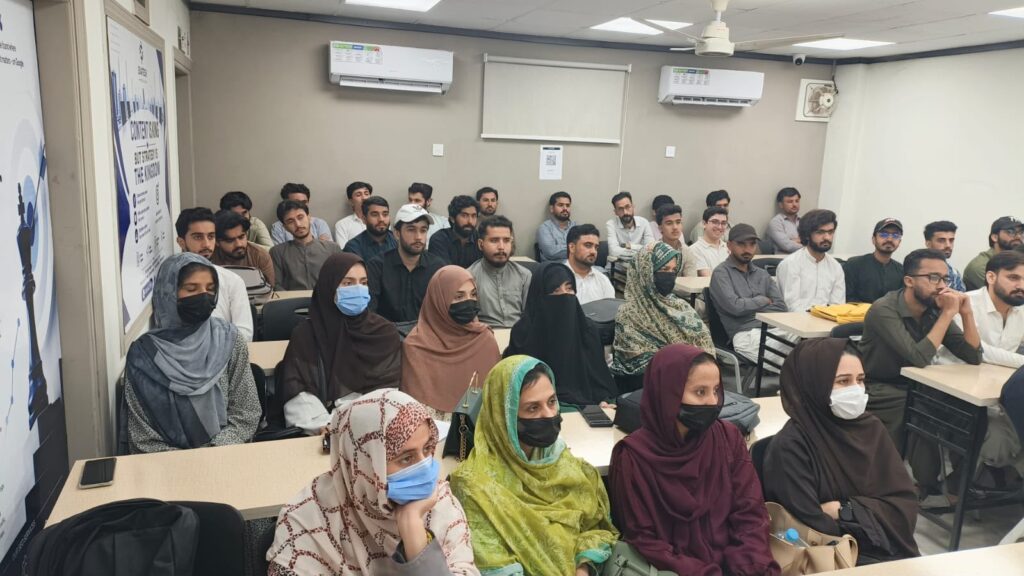
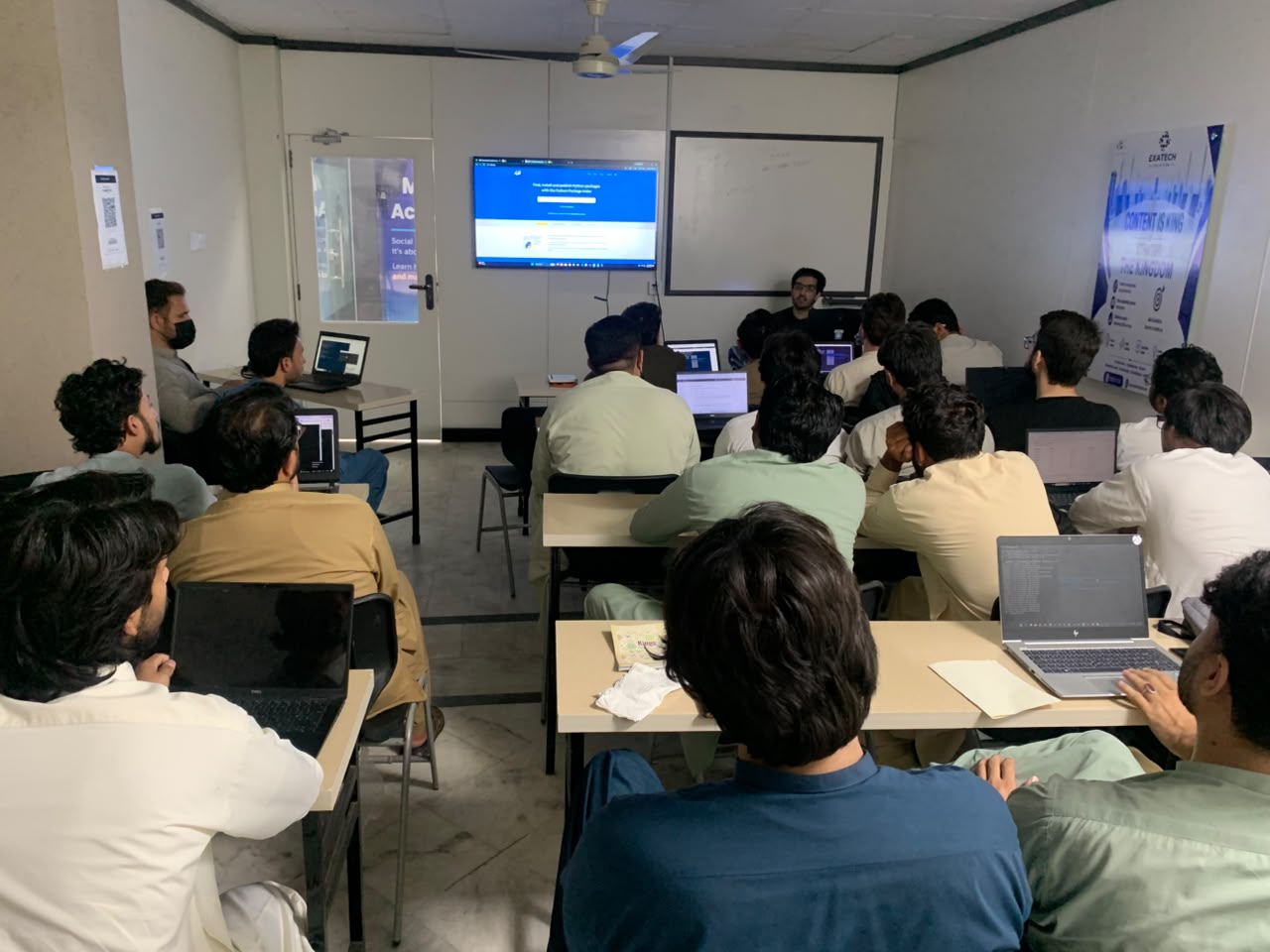
If your immediate goal is a practical digital skill rather than a four-year degree, ExaTech Solution in Peshawar offers training across AI, cybersecurity, digital marketing, SEO, web development, and graphic design and video editing.
These courses build skill through projects, practice, and a portfolio. A bachelor’s degree remains the better choice for anyone specifically seeking a formal four-year computing qualification. Contact ExaTech Solution to talk through which path fits your goals.
Which Path Is Right for You?
If a specific job you want requires a bachelor’s degree, a diploma alone won’t get you there, regardless of skill level. Check this directly against the actual role you’re targeting.
If your goal is practical, applicable skill in a shorter timeframe, and your target roles don’t strictly require a degree, a focused diploma or course can be a genuinely efficient path. If you want a broader foundation, more formal recognition, and maximum future flexibility, a bachelor’s degree is generally the stronger long-term choice.
Frequently Asked Questions
Is an IT diploma better than a bachelor’s degree?
Neither is automatically better. An IT diploma can be better for someone who wants focused practical skills in a shorter period, while a bachelor’s degree is generally better for someone seeking a broader computing education and jobs that require a degree.
Can I get an IT job in Pakistan with only a diploma?
Yes, for many roles, especially in digital marketing, SEO, graphic design, and web development. Some roles, including software development and cybersecurity positions, specifically require a bachelor’s degree as a minimum qualification.
How long does a bachelor’s degree in computing take in Pakistan?
HEC’s current framework structures BS computing degrees, including Computer Science, Information Technology, and Software Engineering, as four-year programs.
Is a bachelor’s degree in Pakistan purely theoretical?
No, not under HEC’s current curriculum. It now incorporates internships, a final-year project, and professional certifications directly into the degree structure.
Can I combine a diploma with a bachelor’s degree later?
Yes. Many people build practical skill through a diploma first, then pursue a bachelor’s degree for broader qualification. HEC’s framework also allows an Associate Degree in Computing to bridge into a full BS Computer Science program.
Which IT jobs specifically require a bachelor’s degree in Pakistan?
According to HEC’s own skills catalogue, roles like software developers, software engineers, and cybersecurity professionals typically list a bachelor’s degree as the minimum qualification.
Conclusion
IT diploma vs bachelor’s degree comes down to your specific career goal, not a fixed rule. Check what your target roles actually require, then choose the path, or combination of paths, that gets you there most effectively. If you want to build practical skills now, get in touch with ExaTech Solution to talk through current course options.