How to start freelancing as a student comes down to one honest truth first: freelancing is not instant income, and it does not require you to already have clients or years of experience. What it does require is a marketable skill, a small body of work you can show, a working profile, and a process for finding your first client without letting it take over your studies.
This guide walks through that process step by step, built around the reality of someone still attending classes rather than someone with unlimited free time.
Can Students Start Freelancing While Studying?
Yes. Freelancing fits around a class schedule far better than a traditional job does, since you set your own hours and choose how much work to take on. That flexibility is exactly why so many students in Pakistan use freelancing as their first exposure to real client work before graduating.
It is not a shortcut, though. You still need something worth paying for. That means learning one skill properly, practicing it until you can produce decent work on your own, and then proving that ability to a stranger who has never met you. Students who skip straight to “finding clients” before they have a skill or sample work usually get discouraged fast, not because freelancing does not work, but because they started at the wrong step.
The advantage students have over someone freelancing after graduation is time. You are not trying to replace a full salary overnight, which takes real pressure off the early stage. You can afford to spend a few weeks learning properly, building samples nobody is paying for yet, and testing a skill before deciding whether to invest more time in it. That freedom disappears once freelancing becomes your only source of income, so it is worth using while you still have it.
Which Freelancing Skills Can Students Learn?
A handful of skills consistently show up in real freelance demand, and most of them can be learned to a usable beginner level in a few weeks of focused study.
- SEO: keyword research, basic site audits, and on-page optimization, learned through SEO training
- Digital marketing: social media management, content planning, and basic ad campaigns, covered in digital marketing training
- Graphic design and video editing: social posts, thumbnails, simple branding, and short-form video, taught through graphic design and video editing training
- Website development: landing pages and small business websites, covered in website development training
- AI-assisted services: prompt-based workflows and automation that speed up tasks for small business clients, part of AI training
- Content writing: blog posts and website copy, which pairs naturally with SEO work
- Cybersecurity basics: useful for students aiming at technical freelance or contract work later, through cybersecurity and ethical hacking training
Do not try to learn all of these at once. Pick one. Trying to cover five skills at the same time is one of the most common reasons students never actually finish learning any of them.
How to Choose Your First Freelancing Skill
Ask yourself five questions before committing to a skill.
What are you already reasonably good at, or genuinely interested in learning. Can businesses actually pay for this skill, meaning is there real demand for it outside your own assumptions. Can you learn the fundamentals in a realistic timeframe alongside your classes. Can you produce two or three sample projects once you have the basics down. Do you actually enjoy the work, since freelancing gets harder to sustain if you dread doing it.
If a skill checks most of these boxes, it is a reasonable starting point. You can always add a second skill later once the first one is earning you real client work.
Build a Portfolio Before Looking for Clients
Students often assume they need previous clients to build a portfolio. That is not true. You can create sample work on your own before anyone has paid you a single rupee.
If you are learning SEO, audit a real website, even one that is not yours, and document what you would improve. If you are learning graphic design, create a mock brand identity from scratch. If you are learning website development, build a small landing page for a fictional business. If you are learning digital marketing, put together a mock campaign with sample content and a simple strategy. If you are learning video editing, edit a short sample reel using free stock footage.
Two or three solid samples are enough to start. Quality matters far more than quantity here, since a client evaluating your profile is looking for proof you can do the work, not a long list of mediocre pieces.
Create Your Freelance Profile
Once you have samples to show, build a profile that makes it easy for a client to trust you within a few seconds of looking at it.
Use a clear, professional profile photo rather than a group photo or a logo. Write a specific headline that names your actual skill instead of a vague phrase like “hard worker.” Keep your About section short and focused on what you can do for a client, not your life story. List only the skills you can genuinely deliver on. Attach your portfolio samples directly to the profile. Write a clear description of the specific service you offer, and communicate professionally in every message from the very first one.
Payment setup matters here too. Most freelance platforms route international payments through services such as Payoneer or Wise, so it is worth setting up an account early rather than scrambling once your first payment is ready to be withdrawn.
Fiverr vs Upwork for Student Freelancers
Neither platform is universally better. They work differently, and the right one depends on how you prefer to find work.
On Fiverr, you create fixed gigs and clients come to you, which suits students who prefer building a specific service listing and waiting for the right buyer. On Upwork, you actively browse job postings and send proposals, which suits students who prefer applying directly and are comfortable writing a strong pitch for each opportunity. Fiverr tends to have heavier competition in saturated categories, while Upwork often rewards well-written, personalized proposals even from newer freelancers. Many students eventually use both once they have a stable workflow, but starting with one at a time makes it easier to learn how that platform actually works before splitting your attention.
How to Get Your First Freelance Client
A realistic process looks like this.
Focus on one service and build 2–3 strong samples before applying. Create a professional profile and target jobs that match your skills. Personalize each proposal instead of copy-pasting. Start with manageable projects, communicate clearly, meet deadlines, and ask for reviews or testimonials. Use each project to improve your portfolio and proposals.
This process rarely produces a client overnight. Most students land their first paid project after multiple proposals, not the first one.
How to Freelance While Managing University
Balancing coursework and freelance work comes down to realistic weekly limits rather than trying to freelance full time as a student.
A workable example schedule looks like five to eight focused hours a week during a normal semester, spent on client work and skill practice combined. During exam periods, most students reduce hours significantly or pause taking on new clients until exams are over, while still finishing whatever is already in progress. Weekends often work well for portfolio building and deeper skill development, since there is more uninterrupted time. Weekday evenings after class tend to suit shorter tasks like client communication and small deliverables.
Treat this as an example structure, not a fixed rule. Your actual course load, exam schedule, and personal energy levels will shape what realistically fits into your week.
How Much Can a Student Earn From Freelancing?
There is no honest, fixed number here, and any article promising a guaranteed monthly income is overselling it. Real earnings depend on your skill level, the niche you work in, how much experience you build over time, how many clients you can take on, your pricing, the platform you use, your availability, and your ability to retain repeat clients.
A more useful early goal than chasing a specific income figure is simply getting competent and completing good work consistently. Income tends to follow once you have a track record of finished projects, positive reviews, and a portfolio that keeps improving. Students who focus purely on the number before they have the underlying skill usually end up disappointed.
Common Freelancing Mistakes Students Should Avoid
Common mistakes include learning too many skills at once, copying profiles, applying without a portfolio, and sending generic proposals. Avoid underpricing, unrealistic deadlines, poor communication, and disappearing during projects. Don’t rely on one platform, pay upfront to supposed clients or recruiters, or promise work you cannot confidently deliver.
Avoiding these mistakes matters more early on than any growth tactic, since a damaged reputation on a platform is far harder to recover from than a slow start. Most of these problems are avoidable simply by slowing down: taking on one skill instead of five, checking a proposal before sending it, and being honest about what you can actually deliver by a given deadline.
A 90-Day Freelancing Roadmap for Students
This is a roadmap, not a guarantee that clients will arrive exactly on schedule.
In the first thirty days, focus on learning the fundamentals of your chosen skill, settling on a specific niche within it, and practicing consistently. In the next thirty days, turn that practice into two or three finished portfolio projects and build out a complete, professional profile. In the final thirty days, start applying for real work, sending proposals, and adjusting your approach based on the responses you get, or the lack of them.
Ninety days is enough time to go from beginner to a credible, presentable freelancer. It is rarely enough time to guarantee paying clients, and treating it as a strict promise sets up unnecessary disappointment.
Where Peshawar Students Can Learn These Skills
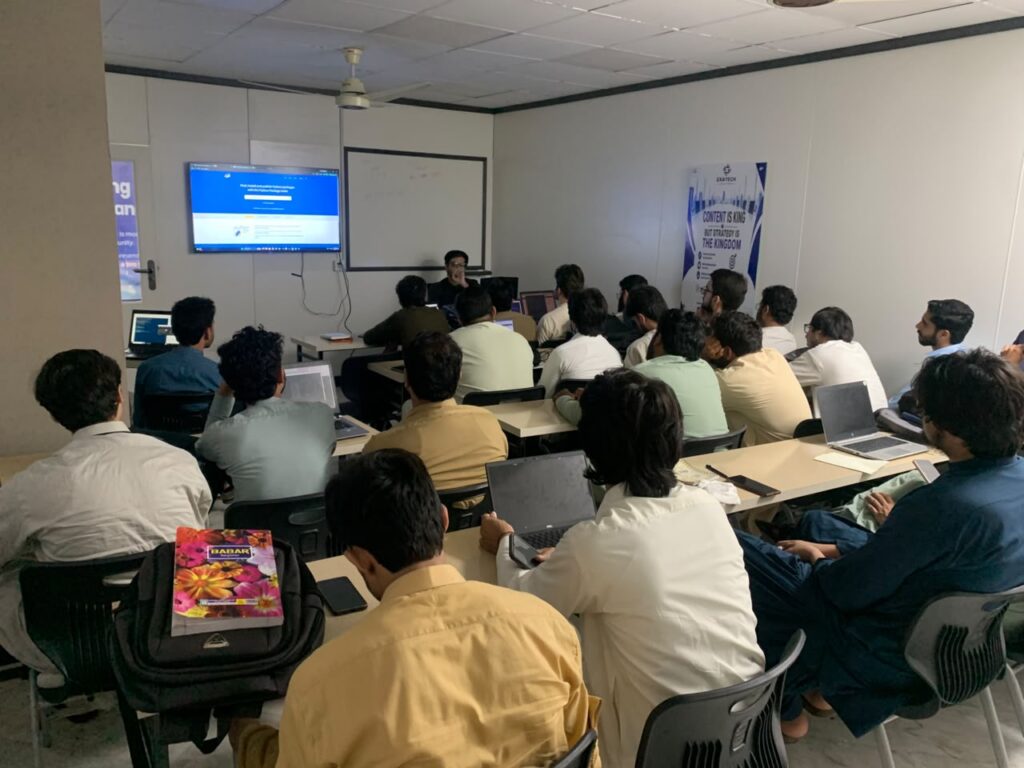
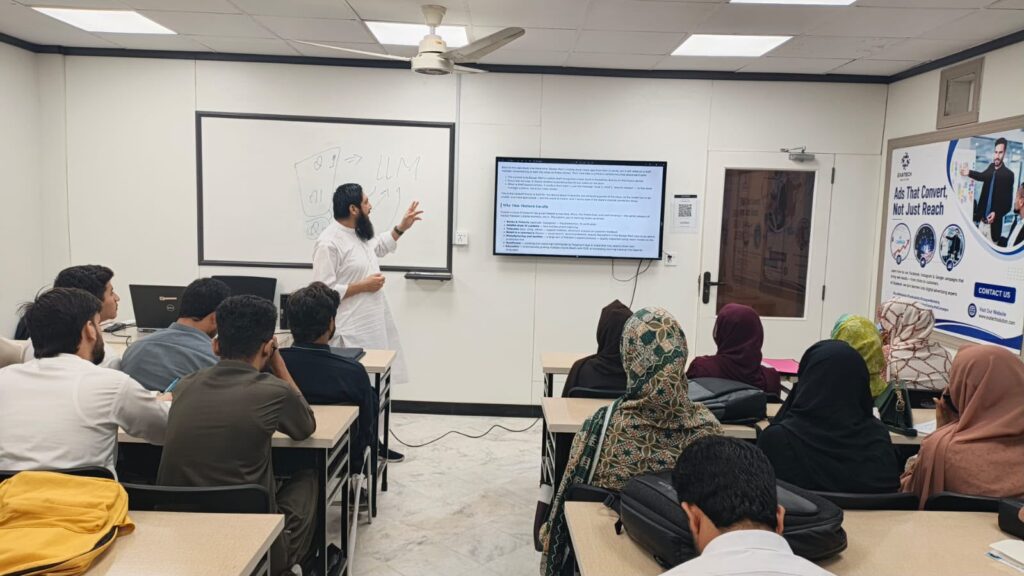
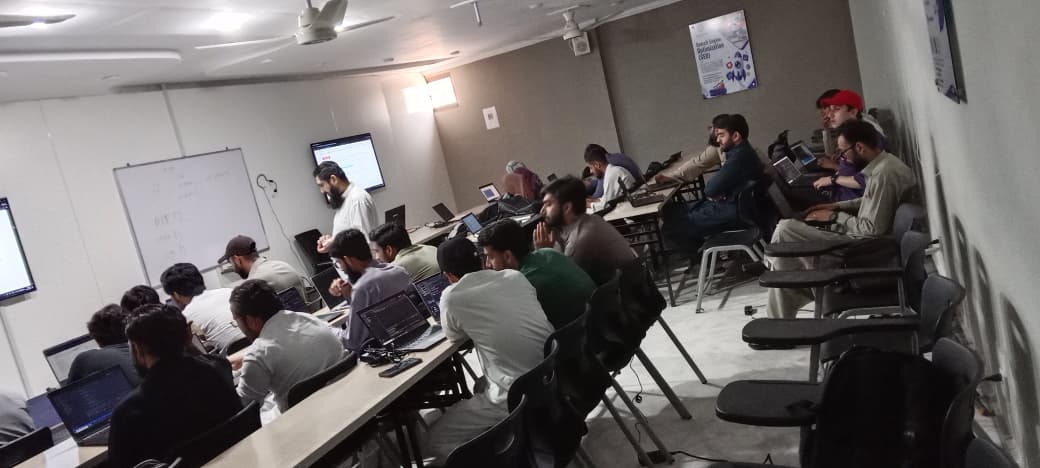
If you are based in Peshawar and want structured, hands-on training in any of the skills covered here rather than piecing it together from scattered tutorials, ExaTech Solution runs practical courses in AI, SEO, digital marketing, website development, cybersecurity, and graphic design and video editing, all built around real projects you can use as portfolio pieces from day one.
Students who register with the Pakistan Software Export Board can also access additional benefits built specifically for freelancers, alongside free government-backed options such as DigiSkills.pk and the National Freelance Training Program if you want to explore skills before committing to paid training.
Frequently Asked Questions
How to start freelancing as a student?
Pick one marketable skill, build two or three sample projects to prove you can do the work, create a complete freelance profile, and start applying for small, manageable jobs with personalized proposals.
Can a university student start freelancing in Pakistan?
Yes. Freelancing works around a class schedule more easily than a fixed job, as long as you set realistic weekly hours and avoid overcommitting during exam periods.
Which freelancing skill is best for students?
There is no single best skill for everyone. The right choice depends on what you already enjoy or are good at, whether there is real client demand for it, and whether you can realistically learn and practice it alongside your studies.
Do I need experience to start freelancing?
No. You need a skill and sample work you built yourself, not previous paid clients. Most students create their first portfolio pieces as practice projects before ever working with a real client.
Is Fiverr or Upwork better for beginners?
Neither is universally better. Fiverr suits students who prefer building service listings and waiting for buyers, while Upwork suits students who prefer actively applying to job postings with personalized proposals.
How long does it take to get a first freelance client?
It varies widely, but most students send multiple proposals before landing their first paid project. A 90-day roadmap of learning, building a portfolio, and then applying consistently is a realistic starting timeline.
If you want help turning one of these skills into something client-ready, ExaTech Solution’s contact page is the fastest way to ask about current course options and get started with practical, project-based training in Peshawar.