Basic cybersecurity literacy can be built in a few months of focused study, but genuinely job-ready skills typically takes six months to a year or more of consistent, hands-on practice. That gap between “I understand the basics” and “I can actually do this job” is where most people underestimate the timeline. This guide walks through a realistic month-by-month roadmap for learning cybersecurity from scratch, plus honest answers on certifications, coding requirements, and what a cybersecurity course in Peshawar can and can’t do for you on its own.
How Long Does It Take to Learn Cybersecurity From Scratch?
Basic literacy and foundational hands-on exposure can be built in a few months of focused study, but genuinely job-ready skill typically takes six months to a year or more of consistent, hands-on practice beyond that. The exact timeline depends heavily on how much real practice you put in outside of class time, not just how many weeks a course runs for. This distinction matters more than almost anything else in this guide, since it shapes every expectation that follows.
What “Learning Cybersecurity” Actually Means
Learning cybersecurity covers a spectrum, not one single milestone. At one end, there’s basic conceptual literacy, understanding what a firewall does or what phishing looks like. Further along, there’s hands-on tool familiarity, actually using the software professionals use daily. Further still, there’s a job-ready portfolio, real practice work you can show an employer. At the far end, there’s senior specialization, the kind of expertise that takes years to build. Most cybersecurity courses, including short ones, get you through the first stage and start of the second. The rest depends on what you do after the course ends.
Keeping this spectrum in mind changes how you should evaluate any course you’re considering, including this one. A course that promises to take you from zero to job-ready in a few weeks is either describing the first two stages only, or overselling what’s realistically possible. A course that’s honest about only covering fundamentals, while pointing you toward the practice needed afterward, tends to set you up better for the long run.
Month 1: Networking, Linux, and Cybersecurity Fundamentals
The first month is best spent on core networking concepts, Linux fundamentals, and foundational security principles, since almost everything later builds on this base. Understanding how devices communicate, how IP addressing works, and how to navigate a Linux environment comfortably makes every subsequent tool and concept easier to grasp. Skipping this stage to jump straight into flashy tools is one of the most common reasons beginners get stuck later and have to circle back.
This month often feels the slowest, since the material is more conceptual than hands-on. That’s normal, and it’s worth resisting the urge to rush through it just to reach the more exciting parts of cybersecurity sooner. Someone who genuinely understands how a network is supposed to behave has a much easier time later spotting when something looks wrong, which is the core skill almost every cybersecurity role eventually depends on.
Month 2: Security Tools and Web Security Basics
The second month is a reasonable point to start hands-on practice with core tools like Kali Linux and Wireshark, alongside basic web security concepts like the OWASP Top 10. This is also a good time to get comfortable with Nmap for network scanning fundamentals, since understanding what’s actually on a network is a prerequisite for almost everything that follows. Expect this month to feel more hands-on and less theoretical than the first.
This is often the point where a beginner’s motivation genuinely picks up, since the tools start producing visible, tangible results. Capturing your first packet in Wireshark or running your first Nmap scan against a system you control tends to make the earlier conceptual month click into place. It helps to keep a simple log of what you tried and what you learned from each exercise, since that habit becomes the foundation of a portfolio later.
Month 3: Ethical Hacking and SOC Fundamentals, Plus Practical Projects
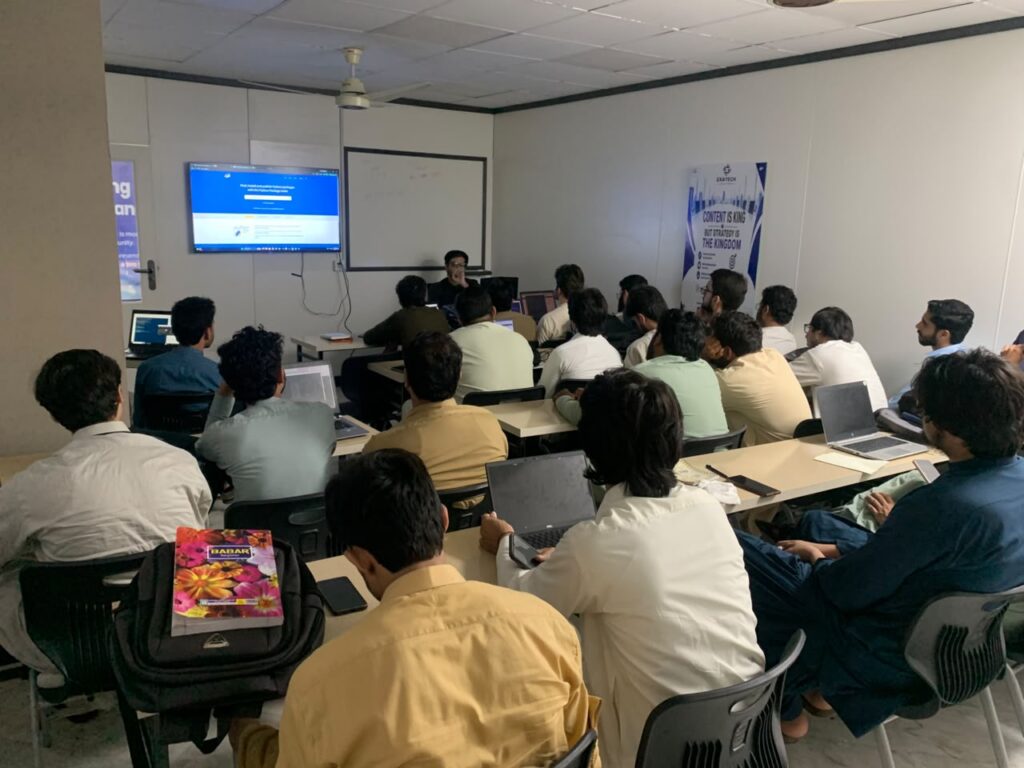
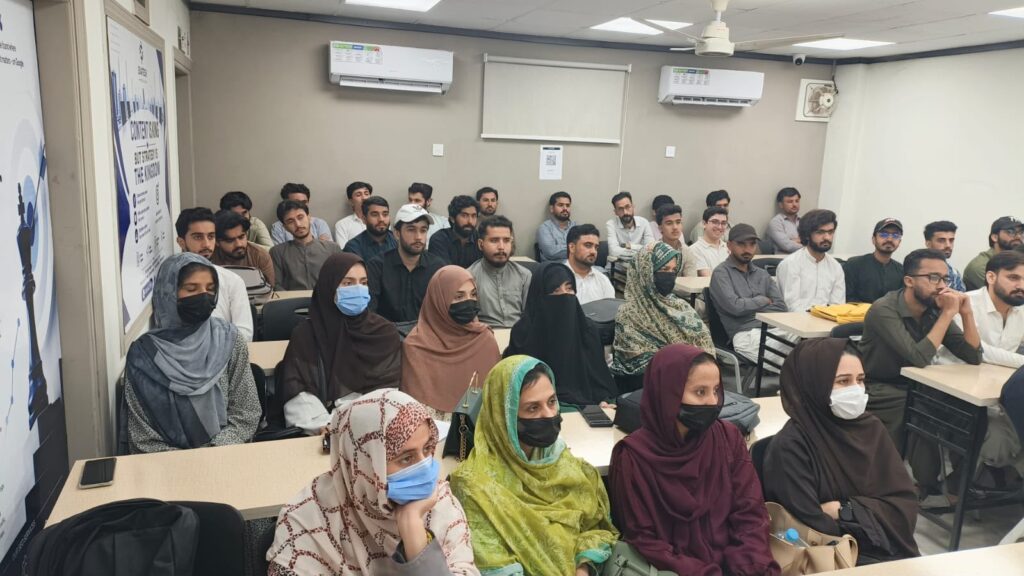
The third month is a reasonable point to introduce ethical hacking fundamentals with tools like Metasploit, alongside SOC-analyst-track concepts like alert monitoring and incident response basics. This is also the point to attempt a first small practical project, even something simple like documenting a basic vulnerability scan of a system you control. Exatech Solution’s Cybersecurity and Ethical Hacking training covers this kind of foundational material for anyone following a structured course rather than self-study.
By this point, the earlier two months of fundamentals should start paying off noticeably. Concepts that felt abstract in month one, like how attackers exploit network weaknesses, become much more concrete once you’re actually attempting a controlled exploit yourself. This is also a natural point to start noticing which side of cybersecurity genuinely interests you more, the defensive monitoring work or the offensive testing work, even if you’re not ready to specialize yet.
Months 3 to 6+: Building Toward Job-Ready Skills
This stretch is where genuine job-readiness actually gets built, through specialization, working toward a certification like CEH or Security+, and building a small portfolio of real practice work, not through course completion alone. This is also typically when people start narrowing their focus, choosing whether to lean more toward defensive SOC work or offensive ethical hacking work, rather than staying broad across everything at once. The specific length of this stage varies a lot by person, depending on how much consistent time you can put in each week.
Someone practicing an hour a day tends to move through this stage differently than someone practicing several focused hours a few times a week, and neither pace is inherently wrong. What matters more than raw hours is consistency over time, since cybersecurity skill, like most technical skill, builds through repeated exposure rather than a single intense study session. By the end of this stretch, a realistic goal is having two or three documented practice projects and enough hands-on comfort to explain your reasoning clearly in an interview.
Is 3 Months Enough to Get a Job?
For most people, no. Three months is generally enough to build foundational literacy and basic hands-on exposure, but genuinely job-ready skill, the kind that gets someone hired, usually takes another few months of consistent, focused practice beyond that. Employers screening candidates for entry-level roles are looking for more than familiarity with tool names. They want to see that you can actually reason through a scenario, which takes repetition to build.
This doesn’t mean a three-month course is wasted time. It’s a genuinely useful foundation. It just isn’t the finish line, and treating it as one sets up an unrealistic expectation for how quickly job offers follow course completion. A more realistic mental model treats the course as the first stage of a longer process, roughly the first quarter of the total time investment, rather than the whole journey compressed into a few weeks.
Do You Need to Code to Learn Cybersecurity?
Not for foundational, SOC-analyst-track work, but Python becomes genuinely valuable once you move into scripting, automation, or more advanced offensive security work. Someone focused purely on monitoring alerts and following established incident response procedures can build a solid entry-level foundation without much coding at all. As you move toward more advanced penetration testing or want to automate repetitive tasks, basic Python scripting starts paying off significantly.
This is worth knowing early, since it means coding ability shouldn’t be a barrier to starting. Plenty of people build a genuine cybersecurity foundation before ever touching a programming language, then pick up Python later once they know which direction of the field actually interests them enough to invest that extra time.
Which Certification Should You Pursue First?
CEH and CompTIA Security+ are accessible, genuinely entry-level options with no mandatory prior experience, while CySA+ and CISSP are later-career credentials requiring years of verified experience and shouldn’t be mistaken for fast early options. Exatech Solution’s Cybersecurity and Ethical Hacking training covers the CEH track specifically, and EC-Council’s official CEH page explains the credential itself. CompTIA’s official Security+ page covers the broader, vendor-neutral alternative.
CompTIA CySA+ recommends roughly three to four years of hands-on experience according to CompTIA’s own current guidance, detailed on CompTIA’s official CySA+ page. CISSP requires five years of verified professional experience, confirmed directly via ISC2’s official CISSP page. Neither of these belongs in a beginner’s first-year plan, and pursuing them prematurely usually means failing an exam that assumes real-world experience you haven’t had a chance to build yet.
A more realistic sequence looks like starting with CEH or Security+ once your fundamentals from the earlier months feel solid, working in an entry-level role for a couple of years to build real experience, and then considering CySA+ or CISSP once you actually meet the experience requirements rather than just the study requirements.
Realistic Career Timeline After Learning Cybersecurity
Entry-level roles like SOC Analyst are the realistic first step after building foundational skill and a small portfolio, not a senior or highly specialized role right away. Pay for these roles varies significantly across platforms and sample sizes in Pakistan, similar to the pattern already covered in more depth in this site’s dedicated cybersecurity salary guide, so treat any single figure as a rough reference rather than a guarantee. What actually moves your first offer is demonstrated hands-on skill and a portfolio, not certifications alone.
From there, career progression tends to follow the specialization you chose during the earlier months. Someone who leaned defensive typically moves from SOC Analyst toward Security Analyst roles with broader responsibility over time. Someone who leaned offensive typically moves toward penetration testing work as their hands-on skill and track record grow. Neither path is faster than the other in any consistent way, and both depend far more on demonstrated skill than on how quickly the initial learning phase was completed.
Where to Learn Cybersecurity in Peshawar
Look for training that builds real hands-on skills, not just course completion, since the course length alone doesn’t determine job-readiness. Several institutes in Peshawar teach cybersecurity fundamentals, and Exatech Solution is one option worth comparing, with its Cybersecurity and Ethical Hacking training and trainer background on its About Us page. Whichever institute you choose, plan for consistent practice beyond the course itself, since that’s what actually closes the gap to job-readiness. Contact Exatech Solution to confirm current course details.
Frequently Asked Questions
How long does it take to learn cybersecurity from scratch?
Basic literacy and hands-on exposure can be built in a few months of focused study, but genuinely job-ready skill typically takes six months to a year or more of consistent practice beyond that. The exact timeline depends heavily on how much hands-on practice you actually put in.
Is a cybersecurity course in Peshawar enough to get a job?
A course builds the foundation, but course completion alone usually isn’t enough. Genuine job-readiness comes from combining course fundamentals with consistent hands-on practice and a small portfolio of real work, which typically takes additional months beyond the course itself.
Can I learn cybersecurity without coding?
Yes, for foundational and SOC-analyst-track work. Python becomes genuinely valuable once you move into scripting, automation, or more advanced offensive security work, but it isn’t required to start learning core cybersecurity concepts.
Which certification should a cybersecurity beginner get first?
CEH and CompTIA Security+ are the accessible, genuinely entry-level options with no mandatory prior experience. CySA+ and CISSP are later-career credentials requiring years of verified experience and aren’t realistic first steps for beginners.
What is a realistic cybersecurity learning roadmap?
A realistic pattern covers networking, Linux, and fundamentals in the first month, hands-on security tools and web security basics in the second, and ethical hacking or SOC fundamentals with practical projects in the third, followed by several more months building toward genuine job-readiness.
Is 3 months enough to become job-ready in cybersecurity?
For most people, no. Three months typically builds foundational literacy and basic hands-on exposure, but genuinely job-ready skill usually takes additional months of consistent, focused practice beyond that initial period.
Conclusion
Basic cybersecurity literacy takes a few months to build, genuine job-readiness takes considerably longer, and a cybersecurity course in Peshawar is a starting point, not a shortcut past consistent practice. The month-by-month roadmap covered here gives a realistic foundation, but what happens after the course- the hours of hands-on practice and portfolio building- is what actually closes the gap to being hired. If you want help figuring out where to start, get in touch with Exatech Solution to talk through current course options.