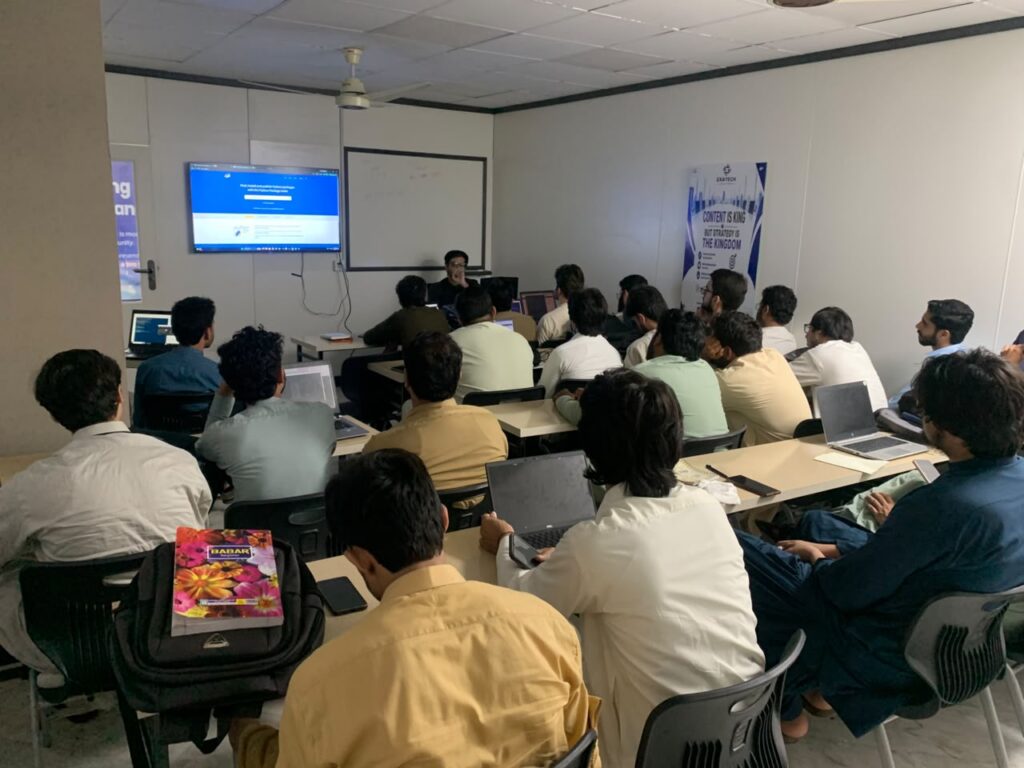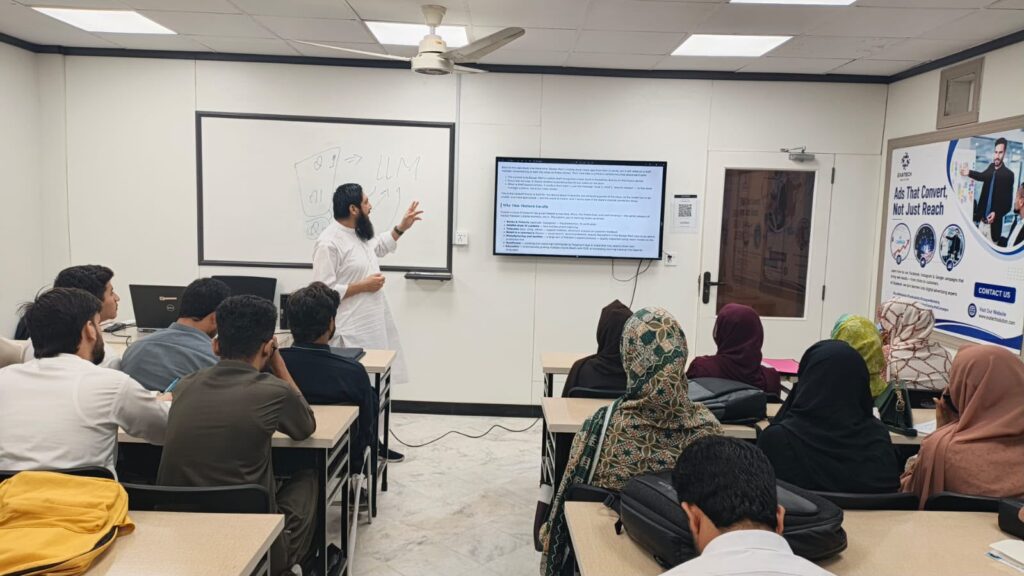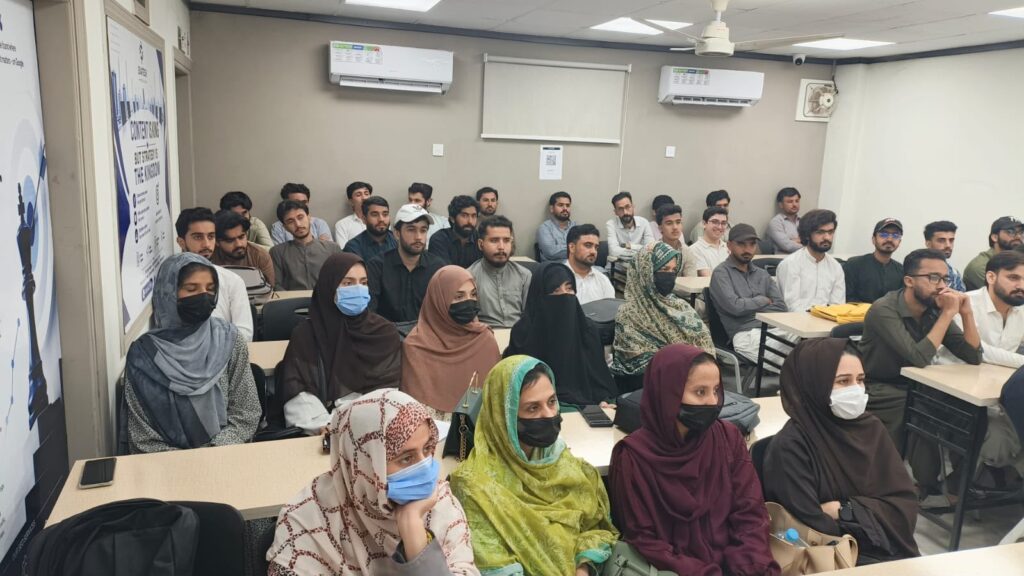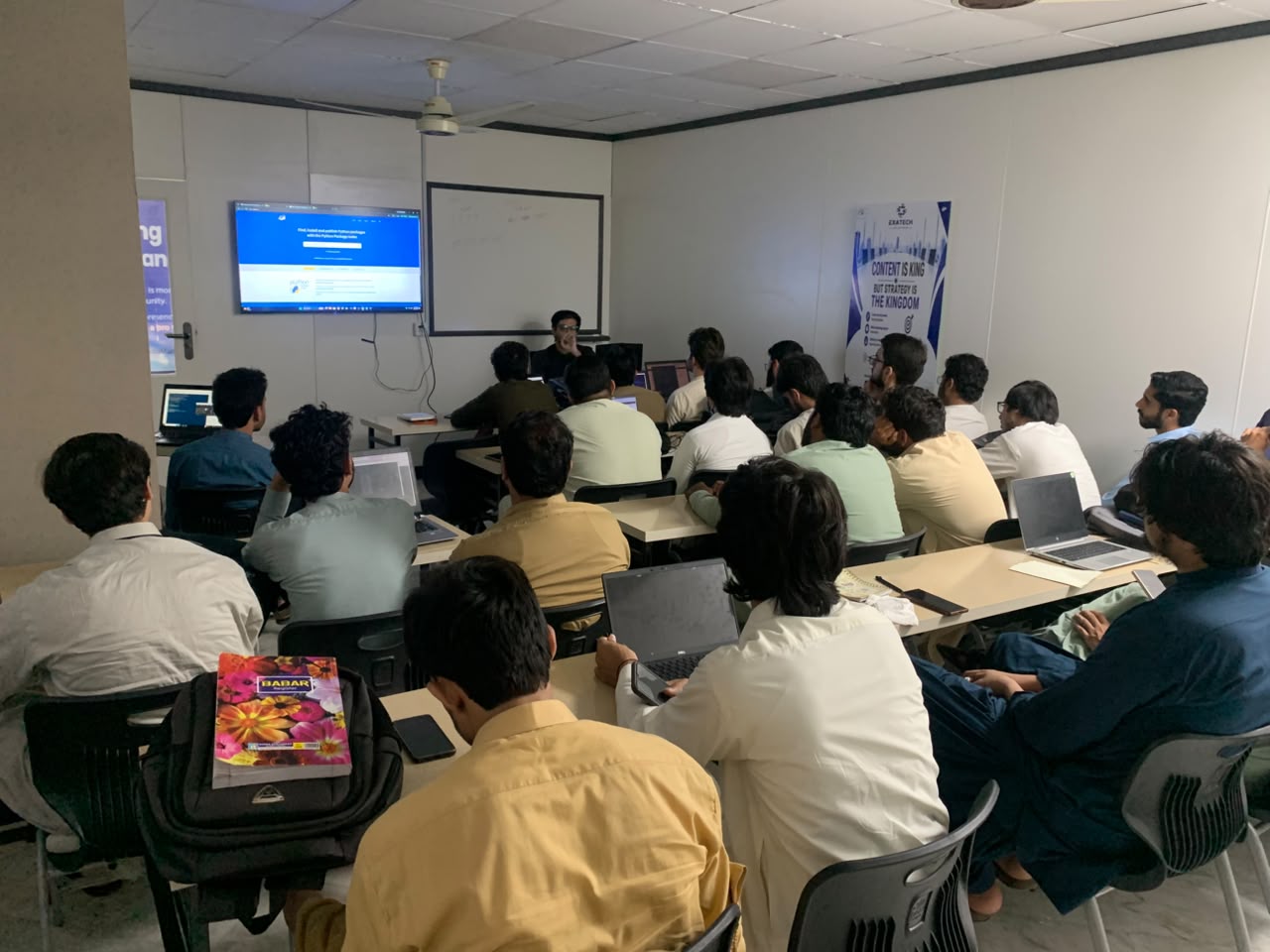
ExaTech student success stories are meant to show real learning journeys, not marketing language dressed up as testimonials. This article looks at what genuine progress actually looks like across three of ExaTech Solution’s courses, AI, cybersecurity, and digital marketing, built around what practical training is supposed to produce rather than invented personal narratives. A note on that upfront: specific named student testimonials referenced for this piece could not be independently verified at the time of writing, so this article describes the pattern of what a real success story looks like rather than presenting unconfirmed quotes as fact.
This matters more here than in most articles about an institute, since “success stories” carries a stronger implicit promise than a course description does. Readers expect specific, verifiable detail when a piece claims to show real outcomes, and getting that wrong, either by inventing detail or by overstating what a testimonial actually proves, undermines the entire premise of writing this kind of content at all.
From Classroom to Career: What Success Looks Like at ExaTech
Success here means measurable learning progress, hands-on practical experience, and a stronger foundation for whatever comes next, not a guarantee of a specific job or income outcome. That’s a meaningfully narrower claim than most institute marketing makes, and it’s the honest one. A genuine success story is someone who started a course with limited or no background in a subject and finished with real, demonstrable skill and something concrete to show for it, whether that’s a working project, a documented campaign, or a portfolio piece.
It’s worth naming why this distinction matters instead of just asserting it. A course can genuinely change what someone is capable of doing without that change automatically translating into a job offer, since hiring depends on the broader job market, how well a student continues practicing after the course, and factors outside any single institute’s control. Conflating “I learned a real skill” with “I got hired because of this course” is exactly the kind of overclaim this article is trying to avoid.
What an AI Training Journey Looks Like
Students starting ExaTech Solution’s AI training typically begin with little or no formal AI background, since the course is positioned for beginners. Progress in this field usually follows a recognizable pattern: first learning to use generative AI tools effectively, then understanding core AI concepts more deeply, and eventually applying that knowledge to a practical project. What genuinely changes for a student by the end of a course like this is confidence working with AI tools in a structured, purposeful way, rather than the casual, surface-level use most people start with.
A real success story in this course would describe that specific arc: where a student started, what confused them early on, which practical exercise made a concept click, and what they were able to build or apply by the end. General AI fluency is easy to claim and hard to demonstrate, which is exactly why specific, concrete detail matters more than a summary statement like “I learned a lot.” Once verified testimonial content is available for this course, this section should be updated to reflect actual student experiences rather than this general description.
What a Cybersecurity and Ethical Hacking Journey Looks Like
Students starting ExaTech Solution’s Cybersecurity and Ethical Hacking training often begin with basic computer literacy but little formal security background. This field tends to build confidence gradually, starting with core networking and security fundamentals, then moving into hands-on practice with tools and scenarios, and finally building enough comfort to reason through a security problem independently rather than following a script.
A genuine account of this journey would describe specific moments of difficulty and breakthrough, which concept took longest to click, which hands-on exercise built real confidence, and how a student’s thinking changed by the end of the course. Cybersecurity in particular rewards this kind of specific storytelling, since the field is full of vague marketing language, “learn to hack ethically,” that means very little without a concrete example attached to it. As with the AI section above, this should be replaced with real, verified student experience once that information is available.
What a Digital Marketing Journey Looks Like
Students starting ExaTech Solution’s Digital Marketing training typically begin with general familiarity with social media but little structured marketing knowledge. Progress here tends to follow a pattern of learning core concepts like SEO and branding, then applying them through practical assignments, and eventually working on projects styled after real client briefs rather than purely academic exercises.
A real success story in this course would describe specific skills gained, SEO fundamentals, campaign planning, brand messaging, and how working on client-style projects changed a student’s confidence going into real client or employer conversations. Marketing skill in particular is judged on results, so a genuine account should be able to point to something specific a student actually produced, not just a general feeling of having learned more about marketing. This section, too, should be updated with actual verified student testimonials once available, rather than standing as a general description indefinitely.
What These Journeys Have in Common
Across all three courses, the recurring pattern in genuine practical training is the same: starting from limited background, building skill through hands-on repetition rather than pure theory, and finishing with something concrete to show for it. Direct trainer guidance and real, applied assignments show up as common threads across fields as different as AI, cybersecurity, and digital marketing, since the underlying mechanism of skill-building, practice with feedback, doesn’t change much by subject.
This is also the honest standard to hold any claimed success story to, here or anywhere else. A believable account names specific difficulties and specific turning points, not just a vague sense of overall satisfaction. Vague praise is easy to produce for any course regardless of quality. Specific, concrete detail is much harder to fake convincingly, which is exactly why this article keeps returning to that standard rather than filling the gap with generic enthusiasm.
This same standard is worth applying as a reader, not just as a writer. When evaluating testimonials from any institute, whether ExaTech Solution or elsewhere, notice whether the account includes specific, checkable detail or stays at the level of general praise. The former is far more informative than the latter, even when both sound equally positive on the surface.
From Learning to Earning: What Students Should Expect
These training journeys speak to learning progress and confidence, not confirmed job placement or income outcomes, and it’s important to be upfront about that distinction. No institute, including ExaTech Solution, can honestly guarantee a job or a specific income at the end of a course, since employment depends on many factors beyond course completion. For those pursuing freelance work afterward, results reward demonstrated skill and a real portfolio over certificates alone, and the first few months of freelancing tend to be slower while building a track record. Treating a course as the foundation for what comes next, rather than the finish line itself, sets more realistic expectations.
This applies whether a graduate is aiming for a salaried role or freelance work. Employers and clients alike respond to demonstrated capability, not the name of the course someone completed. A student who finishes any of these three courses with real, applied skill and something concrete to show has a meaningfully stronger starting position than one who only has a certificate, regardless of which institute issued either one.
How Future Students Can Create Their Own Success Story
The pattern across genuine success stories, here or anywhere, is consistent practice, real project work, and building a portfolio, not the course alone. Showing up for scheduled classes is the starting point, not the whole effort. The students who end up with something genuinely worth showing an employer or client are usually the ones who treated practice exercises seriously and kept building beyond the minimum requirement of each assignment.
This holds true regardless of which of ExaTech’s six courses you choose. The specific skills differ, but the underlying pattern, showing up consistently, practicing beyond the minimum, and finishing with something real to show, doesn’t change from field to field. Anyone hoping to write their own success story later is better served focusing on that pattern than on which specific institute they chose.
ExaTech Solution also offers SEO, Website Development, and Graphic Design and Video Editing courses beyond the three covered above, each following a similar practical, project-based structure. For students weighing a paid course against government-run alternatives, KPITB, the Khyber Pakhtunkhwa Information Technology Board, is worth checking directly as a separate comparison point. Contact ExaTech Solution to ask about current course details and, ideally, real examples of past student work.
Frequently Asked Questions
Are ExaTech student success stories real?
This article is built around the pattern of genuine learning progress rather than unconfirmed quotes, since specific named testimonials referenced for this piece could not be independently verified at the time of writing. Real, verified student accounts would strengthen this article considerably, and it should be updated once that information is available.
Does ExaTech guarantee a job after training?
No. Learning progress and confidence are what practical training genuinely supports. No institute can honestly guarantee employment or a specific income outcome at the end of a course.
Which courses are covered in this article?
Artificial Intelligence, Cybersecurity and Ethical Hacking, and Digital Marketing. ExaTech Solution also offers SEO, Website Development, and Graphic Design and Video Editing, which aren’t covered in as much depth here.
What does a genuine success story actually show?
A genuine account describes specific starting points, specific difficulties, and specific turning points, not just vague satisfaction. It shows learning progress and hands-on skill, not confirmed job placement or income figures.
How can I create my own success story at ExaTech?
Focus on consistent practice, real project work, and building a portfolio during your course, since that’s the pattern behind genuine skill development, not attending classes alone.
Can I see real examples of student work?
Ask ExaTech Solution directly for real examples of finished student work from the specific course you’re considering, since that’s the clearest evidence of what a course actually produces.
Conclusion
ExaTech student success stories are meant to reflect real learning journeys, not marketing composites, and this article was built to describe the honest pattern behind genuine progress rather than present unverified claims as fact. The strongest version of this piece includes real, verified student testimonials with specific details, and that update is worth making as soon as that information becomes available. Until then, get in touch with ExaTech Solution directly to ask about current students’ real experiences.