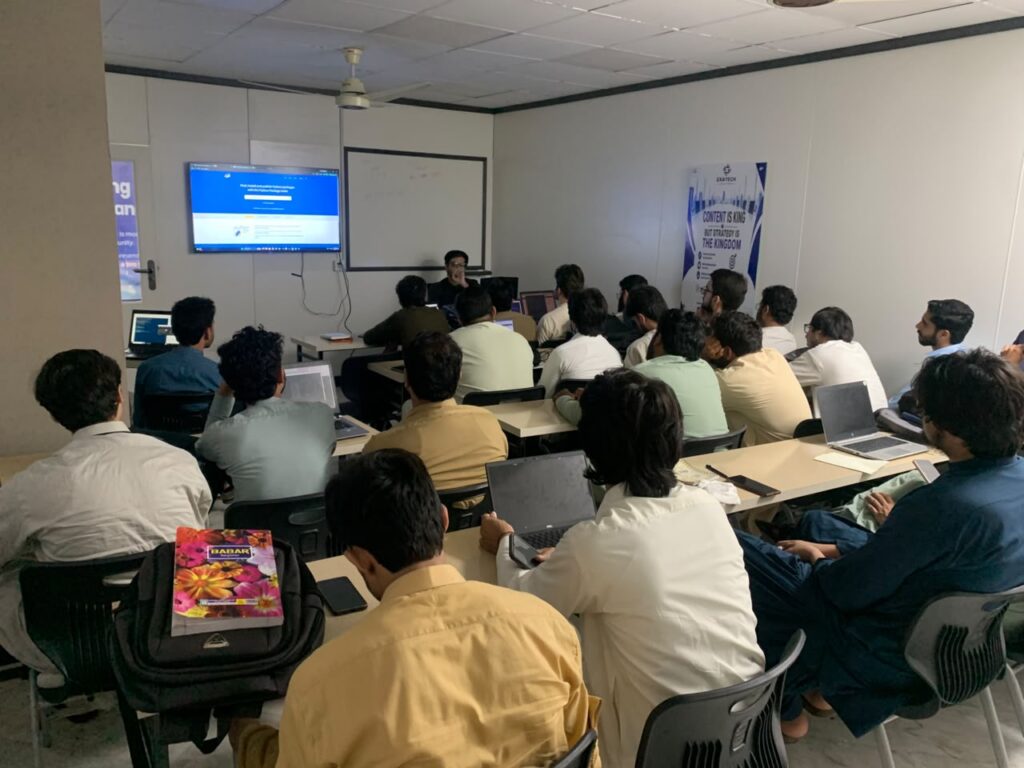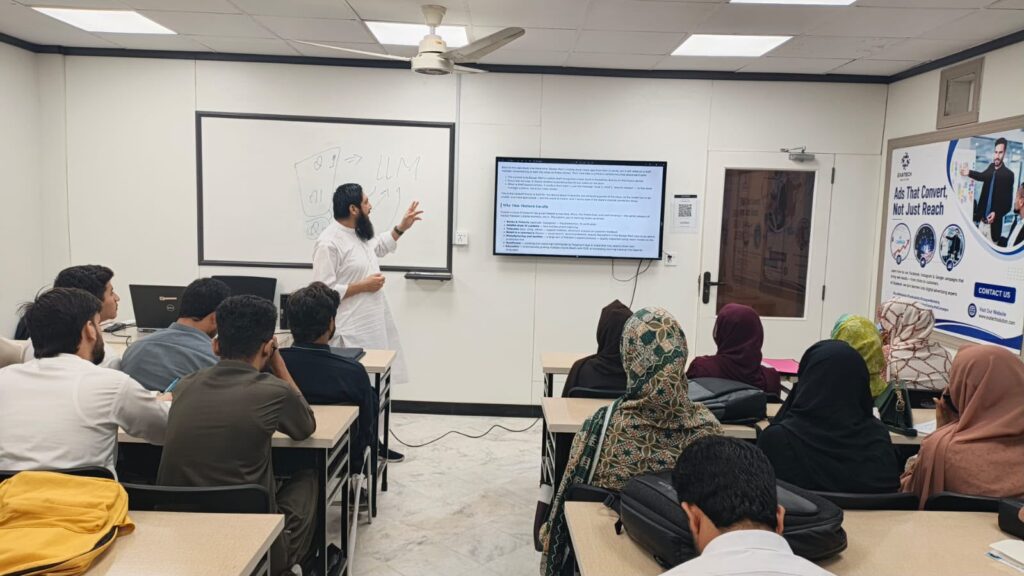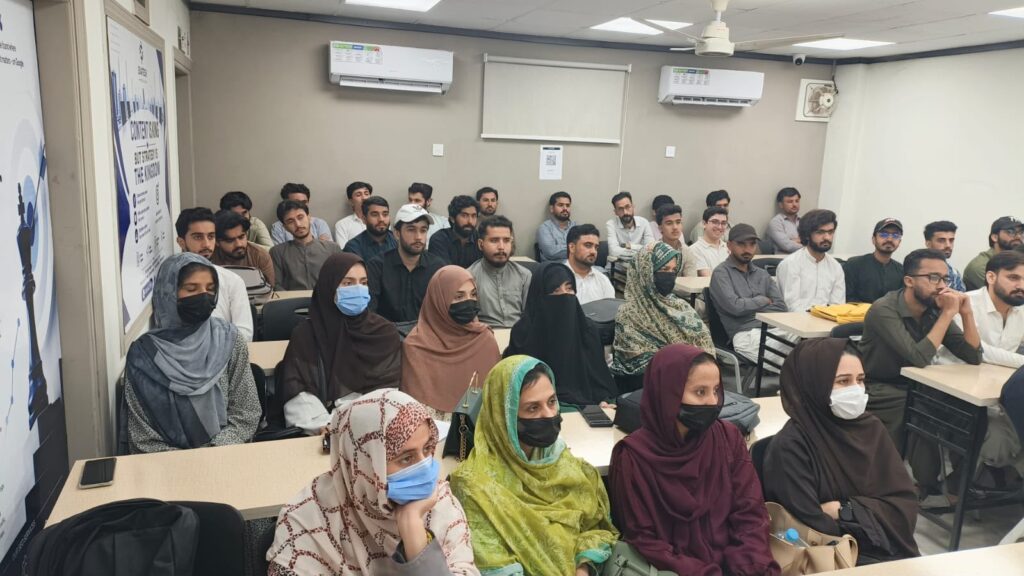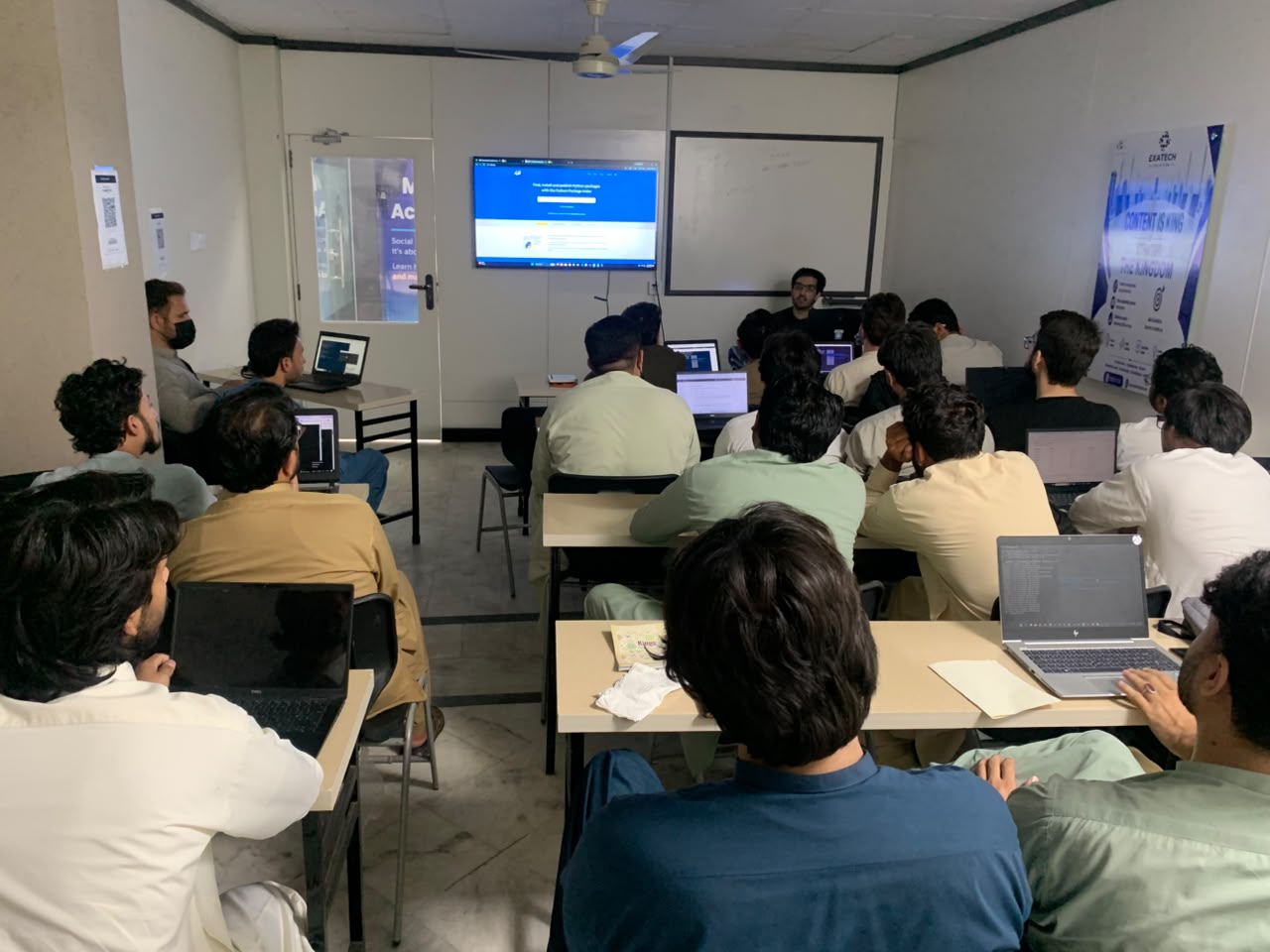
ExaTech student life centers on a practical, hands-on daily structure rather than passive lecture time, and this article walks through what a typical day is designed to include. It’s worth being upfront that this is a composite, illustrative description, not a transcript of one specific observed day, since the exact structure varies by course, trainer, and batch. What follows reflects the intended shape of a day at ExaTech Solution: arrival, class, hands-on practice, and the work that continues after class ends.
This kind of honest framing matters more for a “day in the life” piece than for most other content, since the format itself implies a specific, observed account. Rather than dress up a general description as something it isn’t, this article stays clear about what it’s describing throughout, while still giving a genuine sense of what the daily rhythm of training here is meant to look like.
Starting the Day at ExaTech
A day typically begins with students arriving, settling in, and catching up with classmates before class starts. This informal stretch matters more than it might seem, since a lot of peer learning happens outside formal class time, comparing notes on a previous assignment, asking a quick question before the session begins, or just building the kind of familiarity that makes group work easier later. For students commuting from different parts of Peshawar, this settling-in period also functions as a natural transition point between the rest of their day and focused class time.
This part of the day also tends to set the tone for what follows. Students who arrive a little early and use the time to review previous material or chat with classmates about a shared assignment often move into the formal session more smoothly than those who arrive right as class begins. None of this is a formal requirement, but it’s a pattern worth being aware of if you want to get the most out of a course like this.
What Happens During a Class?
A class session is generally structured around trainer explanation, live demonstration, and hands-on practice, followed by questions and feedback. A trainer typically introduces a concept, shows how it works in practice, and then hands the exercise over to students to attempt themselves. This structure is intended to move students from watching to doing as quickly as possible, rather than spending most of the session on passive listening.
The feedback portion of a session matters as much as the initial demonstration. A trainer walking through why a particular approach worked, or why a student’s attempt didn’t quite land, is often where the deepest learning actually happens, since it connects the abstract concept to a specific, concrete example the student just worked through themselves.
This back-and-forth between demonstration and independent attempt tends to repeat several times within a single session, rather than following a single lecture-then-practice pattern once per class. Each cycle typically builds on the last, so a student who struggles with an early exercise usually gets another chance to apply the same underlying concept slightly differently later in the same session.
From Theory to Hands-On Practice
What “hands-on” actually means shifts depending on which course a student is taking, though the underlying pattern, applying a concept immediately rather than just hearing about it, stays consistent across all six.
AI
In the AI course, hands-on practice typically means working directly with AI tools on a real task, testing different prompts or approaches, and seeing firsthand how results change based on how a request is structured.
Cybersecurity and Ethical Hacking
In the Cybersecurity and Ethical Hacking course, hands-on practice typically means working through security labs and exercises, testing a scenario, and reasoning through what a specific vulnerability or alert actually means.
Digital Marketing
In the Digital Marketing course, hands-on practice typically means working on campaign or content tasks, building out a strategy piece by piece rather than just discussing marketing theory.
SEO
In the SEO course, hands-on practice typically means working directly with keyword research and website optimization tasks, seeing how specific changes affect a page’s structure and content.
Web Development
In the Web Development course, hands-on practice typically means building an actual website feature, writing code, testing it, and fixing what doesn’t work the first time.
Graphic Design and Video Editing
In the Graphic Design and Video Editing course, hands-on practice typically means creating an actual piece, a design or an edited clip, rather than just studying finished examples.
Working With Trainers and Classmates
Learning at ExaTech Solution is designed to be collaborative, not purely individual. Trainers are meant to be available for direct questions during practice time, not just during formal demonstration segments, and classmates often end up troubleshooting problems together, especially in more technical courses like web development or cybersecurity where a second set of eyes on a stuck problem genuinely helps. This collaborative structure is one of the harder things to verify from a course description alone, so asking directly about how much trainer access and peer interaction a specific course and batch actually includes is a reasonable question before enrolling.
The value of this collaboration compounds over the length of a course. Early sessions tend to involve more trainer-led explanation, since students are still building foundational vocabulary and confidence. Later sessions tend to shift more toward peer collaboration and independent problem-solving, as students develop enough shared understanding to help each other work through challenges without needing a trainer to step in for every question.
Breaks and Problem-Solving
Breaks during a training day typically serve a practical purpose beyond rest, giving students a natural point to step back from a difficult problem and return to it with fresh eyes. Some of the most useful problem-solving in any hands-on course happens in these informal stretches, comparing approaches with a classmate, or simply processing a concept that didn’t fully click during the formal explanation.
This pattern shows up especially clearly in more technical courses, where a student stuck on a specific bug or configuration issue often makes more progress after a short break and a conversation with a classmate than by staring at the same problem continuously. Building in this kind of informal problem-solving time is part of what separates a genuinely practical course from one that’s structured purely around lecture and demonstration.
What Students Work on Before Leaving
Toward the end of a session, students typically consolidate what they’ve worked on that day, wrapping up an in-progress exercise or making sure a piece of work is in a state they can pick back up next time. This isn’t just administrative tidiness. Leaving a session with a clear sense of where you left off makes it considerably easier to resume progress at the next class rather than needing to re-orient from scratch.
Trainers often use this closing stretch to preview what the next session will build on, which helps students mentally connect what they just practiced to what’s coming next. This kind of continuity matters more in project-based courses than in purely lecture-based ones, since each session’s practical work usually depends on genuinely understanding what came before it.
Building Something for Your Portfolio
Every course is designed to leave students with real, demonstrable work, not just notes from a lecture. This ties directly into the portfolio-over-certificates framing covered in more depth elsewhere on this site, since a certificate proves attendance while a finished piece of work proves capability. Whether that’s a working website feature, a documented marketing task, an SEO improvement, a security lab writeup, or a design piece, the intended outcome across every course is something a student can actually show afterward.
[PHOTO NEEDED: finished student work, or a student presenting a project]
This portfolio-building mindset works best when it starts early rather than being treated as a final-week scramble. Students who approach each exercise as a potential piece of future portfolio work, refining it a little further than the bare minimum requires, tend to finish a course with noticeably stronger material to show than those who complete assignments purely to move on to the next one.
After-Class Learning
Genuine skill-building typically continues after class ends, through practice, assignments, and project work done independently. Course time alone is rarely enough to build job-ready skill in any technical or creative field, which is true at ExaTech Solution and at any legitimate training program elsewhere. Students who treat the time between sessions as part of the learning process, not just downtime before the next class, tend to make noticeably faster progress than those who only engage during scheduled hours.
This matters especially for anyone balancing a course alongside other commitments, work, family, or other studies. Setting aside even a modest, consistent block of time for practice between sessions tends to compound meaningfully over the length of a course, while trying to catch up entirely during class time alone rarely produces the same depth of skill.
Is ExaTech Student Life Right for You?
This day-to-day structure suits people who want hands-on, project-based learning over passive lecture attendance, and who are comfortable with a decent amount of independent practice between sessions. It won’t fit everyone equally well. Someone looking for a purely theoretical, lecture-based introduction to a subject might find the hands-on pace demanding, while someone who learns best by doing tends to respond well to this kind of structure.
Before committing to any course, it’s worth being honest with yourself about which type of learner you are. Someone who genuinely enjoys figuring things out through trial and error will likely thrive in this kind of environment. Someone who prefers a slower, more guided introduction before attempting anything independently might want to ask specifically how much scaffolding a course provides before hands-on work begins.
For students weighing this against other options in the city, including government-run training through KPITB, the Khyber Pakhtunkhwa Information Technology Board, comparing the actual day-to-day structure of each option, not just the course description, is worth doing directly.
Curious what a typical day at ExaTech Solution actually looks like beyond this article? Follow us on Instagram for real glimpses of classes, student projects, and campus life as they happen.
Contact ExaTech Solution to ask about the specific structure and schedule for the course you’re considering.
Frequently Asked Questions
What is ExaTech student life actually like day to day?
A typical day centers on a mix of trainer-led explanation, live demonstration, and hands-on practice, followed by independent work on real projects. The specific structure varies by course and trainer, but the underlying pattern of practice-driven learning stays consistent.
Do ExaTech classes involve real hands-on projects?
Yes, ExaTech Solution positions its courses around practical, project-based work across all six current offerings, from AI to graphic design. Ask to see real example student work for the specific course you’re considering to verify this directly.
How much work happens outside of class time?
Genuine skill-building typically continues after class through practice, assignments, and project work. Course time alone is rarely enough to build job-ready skill in any technical or creative field.
What do students actually produce during their course?
Output varies by course: AI students apply tools to real tasks, cybersecurity students complete lab exercises, marketing and SEO students work on campaigns or optimization tasks, developers build site features, and design students produce portfolio pieces.
Is ExaTech’s learning environment collaborative?
ExaTech Solution positions its training around trainer guidance and peer interaction alongside individual practice. Ask directly about class size and group work structure for the specific course and batch you’re considering.
Is student life at ExaTech suited to complete beginners?
Several courses, including AI, digital marketing, and graphic design, are designed to be accessible to beginners. The day-to-day structure still requires consistent engagement and practice, regardless of your starting point.
Conclusion
ExaTech student life centers on a practical, hands-on daily structure across six courses, illustrated here as a composite typical day rather than one documented account of a specific date. The core pattern, explanation, demonstration, hands-on practice, and real output- is meant to hold across AI, cybersecurity, digital marketing, SEO, web development, and graphic design and video editing alike. If you want a clearer sense of what a specific course’s schedule actually looks like, get in touch with ExaTech Solution directly.
Curious what a typical day at ExaTech Solution actually looks like beyond this article? Follow us on Instagram for real glimpses of classes, student projects, and campus life as they happen.