Government IT courses in Peshawar mainly run through two separate routes: NAVTTC’s federal programs, most commonly under the Prime Minister’s Youth Skill Development Program, and KP-TEVTA, the provincial technical training authority for Khyber Pakhtunkhwa. Specific batches, deadlines, and available trades change every few months, so this guide focuses on the general pattern that stays true across cycles, plus exactly where to check current status before you apply. It covers what these two bodies actually are, what eligibility usually looks like, how the application process works, and what to do if you don’t qualify or miss a window, so you can navigate the process with realistic expectations instead of relying on outdated posts or secondhand information.
What Are Government IT Courses in Peshawar?
Government IT courses in Peshawar come mainly from two separate bodies: NAVTTC, a federal organization running free training nationwide, and KP-TEVTA, the provincial authority specific to Khyber Pakhtunkhwa. Both are distinct from each other and from any private paid institute, and understanding which one you’re dealing with matters, since their programs, eligibility rules, and application portals are different. Mixing up the two, or applying through the wrong one for your situation, is one of the more common and avoidable mistakes people make when trying to access government training.
NAVTTC and the Prime Minister’s Youth Skill Development Program (PMYSDP)
NAVTTC is the federal body responsible for free, government-funded vocational and IT training across Pakistan, and most of its current activity runs under PMYSDP. Recent program cycles under NAVTTC, including digital-skills-focused initiatives, have included Peshawar among the participating training locations alongside cities like Islamabad, Lahore, and Karachi. Registration happens through the NAVTTC website and its dedicated portal, the National Skills Information System (NSIS).
These programs typically run in defined batches, each lasting a few months, rather than as one continuous open enrollment. A batch opens for applications, runs an entrance process for the trades that require one, and then closes once training begins, before the cycle repeats with a new batch sometime later. This means the specific program name you might come across, whether tied to freelancing skills, IT bootcamps, or a particular trade, is really just one point in an ongoing series rather than a single permanent offering. Specific program names, available trades, and participating cities change with each new batch, so treat any particular program you hear about as one cycle in an ongoing series rather than a fixed, permanent offering, and check the portal directly for what is currently open.
KP-TEVTA: Khyber Pakhtunkhwa’s Provincial Training Authority
KP-TEVTA, not Punjab’s TEVTA, is the relevant provincial body for Peshawar and the rest of Khyber Pakhtunkhwa. These are two separate organizations serving different provinces, and most general search results for “TEVTA free courses” actually describe Punjab’s TEVTA, which does not operate in Peshawar. Applying to the wrong province’s portal wastes time and will not result in a valid application for anyone based in KP.
The correct site to check is kptevta.gov.pk, and its admissions page has current program details. KP-TEVTA runs a mix of polytechnic, diploma, and vocational-level programs under Pakistan’s National Vocational Qualification Framework, spanning degree-awarding colleges, polytechnic institutes, and shorter vocational centers depending on the qualification level involved. Its current IT-specific course offerings, such as dedicated AI or cybersecurity tracks, should be confirmed directly on their site rather than assumed, since this can change and was not clearly confirmed at the time of writing. If a specific IT trade isn’t currently listed through KP-TEVTA, NAVTTC’s programs remain the more consistently IT-focused route for Peshawar residents.
IT Trades and Skills Offered in Recent Government Programs
Recent NAVTTC program cycles have included IT-focused trades like digital marketing, graphic design, artificial intelligence, cybersecurity, web development, and cloud computing, among others. Some cycles have specifically emphasized freelancing-adjacent digital skills, pairing training with guidance on platforms like Fiverr and Upwork, while others have focused on more traditional IT bootcamp formats with internationally recognized certifications attached.
These are examples drawn from recent batches, not a fixed, permanent course catalog that will always be available. Which specific trades are open, and in which cities, depends entirely on the current cycle, so confirm what is actually being offered before assuming a particular skill area is available in Peshawar right now. A trade that was offered in one batch is not guaranteed to reappear in the next one, and cities included in one cycle sometimes change in the next.
Eligibility Criteria for Government IT Courses
Eligibility for government IT courses generally requires Pakistani citizenship with a valid CNIC, an age that commonly falls somewhere between 18 and 45 depending on the specific program, and a minimum education level that varies significantly by trade. Some general vocational trades only require matriculation, while some advanced IT specializations, particularly ones tied to artificial intelligence or cybersecurity, have required a bachelor’s degree in a computing-related field in past program cycles.
This variation matters more than it might seem. A candidate with only a matric certificate might qualify easily for a graphic design or digital marketing trade in one batch, while the same candidate could be ineligible for an AI or cybersecurity trade that specifically asks for a computing degree in that cycle. There is no single fixed rule that applies to every trade equally, so confirm the exact age and education requirement listed for your specific chosen trade on the NSIS portal before applying, rather than assuming your qualifications automatically transfer across every IT trade on offer.
How to Apply for Government IT Courses in Peshawar
The application process follows a consistent general pattern across most NAVTTC-run programs, even as specific batches change.
Step 1: Register on the NSIS Portal
Create an account on nsis.navttc.gov.pk using your CNIC and a valid mobile number or email address. This account becomes your dashboard for tracking your application status through the entire process.
Step 2: Complete Your Profile and Upload Required Documents
Fill in your personal and educational details, and upload a clear scanned copy of your CNIC along with your highest educational qualification or transcript. Incomplete or unclear document uploads are a common reason applications get delayed.
Step 3: Select Your Trade and Preferred Training Center
Browse the trades currently open in your area and select the specific IT trade and training center you want. Availability by city and trade changes with each batch, so confirm Peshawar-based options are actually listed before selecting, since a trade available in one city during a given batch is not guaranteed to be offered in Peshawar during the same cycle.
Step 4: Take Any Required Entrance Test or Interview
Some trades require an aptitude or entrance test, followed by an interview for shortlisted candidates. Requirements vary by trade, so check what applies to your specific selection rather than assuming every trade follows the same process. Technical trades tied to fields like AI or cybersecurity have sometimes involved a more structured assessment than shorter, general vocational trades.
Step 5: Confirm Admission and Check Your Training Schedule
Once shortlisted and, where applicable, interviewed, your dashboard will update with your admission status. Confirm your schedule and training center details directly through your NSIS account rather than relying on secondhand information.
Is There a Registration or Assessment Fee?
The training itself is generally described as free across most official information available, though some trades or certification and assessment steps may involve a separate, smaller fee. Available information on this point is not entirely consistent across program cycles, so do not assume every step is guaranteed to be free. Some programs describe registration and training as entirely free with no hidden costs, while separate certification or skill-assessment tests tied to specific trades have, in some cases, involved a small deposit paid through a bank challan. Confirm the exact cost structure for your specific trade and batch directly on the NSIS portal before applying, rather than relying on a blanket assumption either way.
What Is the NVQF and Why Does It Matter?
The National Vocational Qualification Framework is the system Pakistan uses to standardize skill levels and certification recognition across government training programs. It organizes vocational qualifications into levels, typically ranging from shorter vocational-center courses at lower levels to polytechnic and degree-awarding programs at higher levels, which affects how a given certificate is recognized by employers. Two courses that sound similar on paper can sit at very different levels within this framework, which changes how they compare to other qualifications and how seriously employers may weigh them. Understanding which NVQF level a course certificate falls under can help you judge how it will be viewed by potential employers compared to other qualifications, and it’s worth asking about explicitly when comparing different government training options.
What If You Don’t Qualify or Miss the Application Window?
Private, paid institutes are a separate option worth considering if you don’t currently meet eligibility criteria, miss a batch’s application window, or simply want additional or faster training in a specific skill. This path is distinct from the government process described above and comes with its own cost, but it removes the age, education, and batch-timing constraints that come with NAVTTC or KP-TEVTA programs. It can also make sense as a supplement rather than a replacement, since some people pursue a paid course alongside or after a government program to go deeper into a specific tool or skill that a shorter, broader government trade didn’t fully cover.
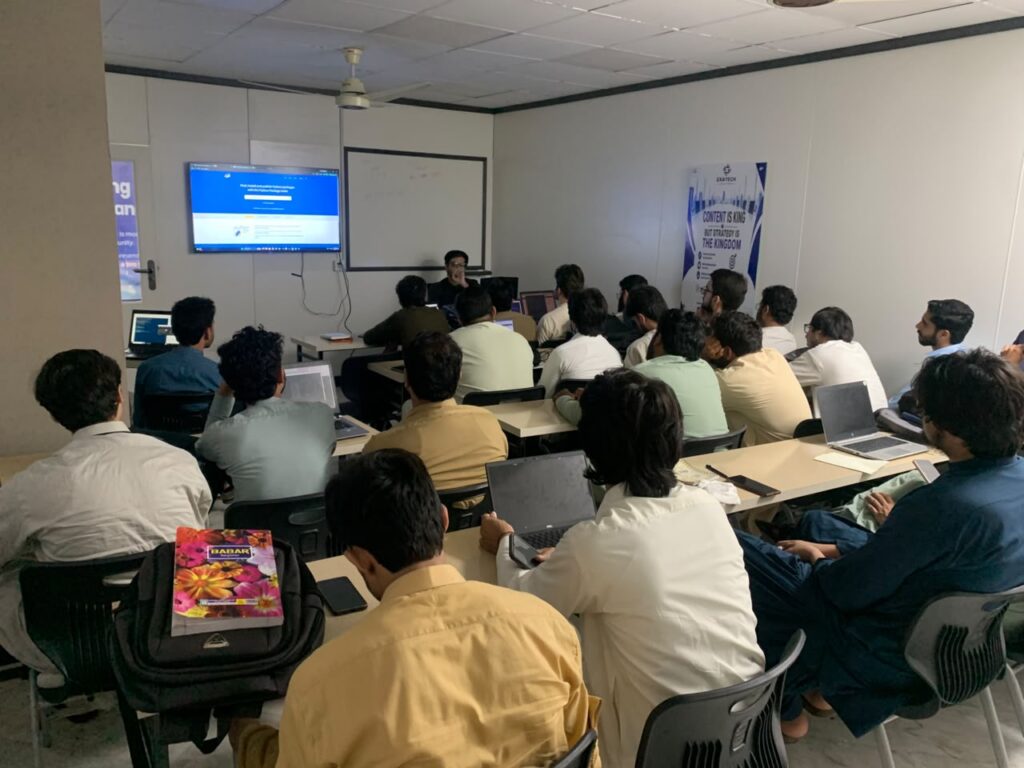
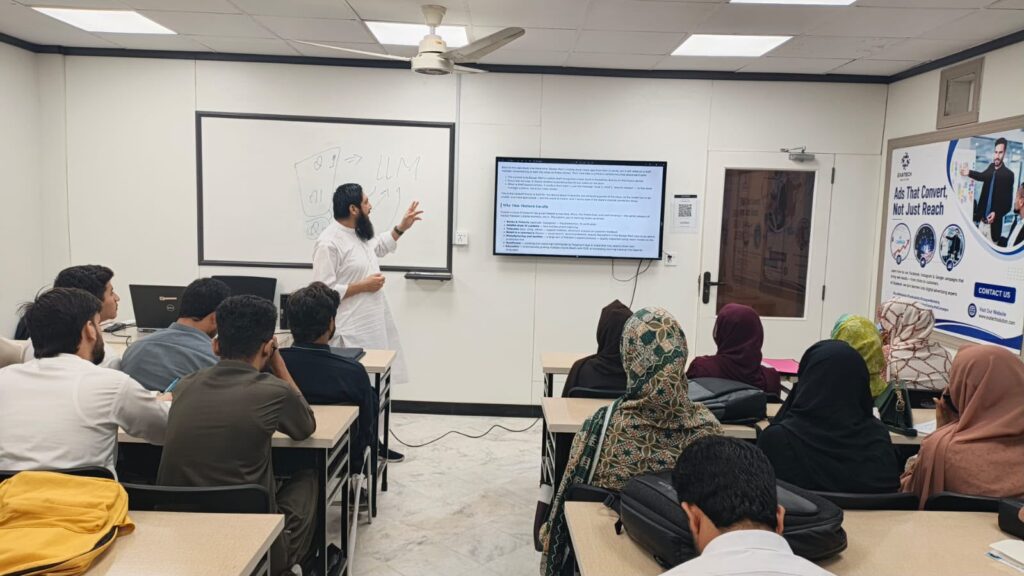
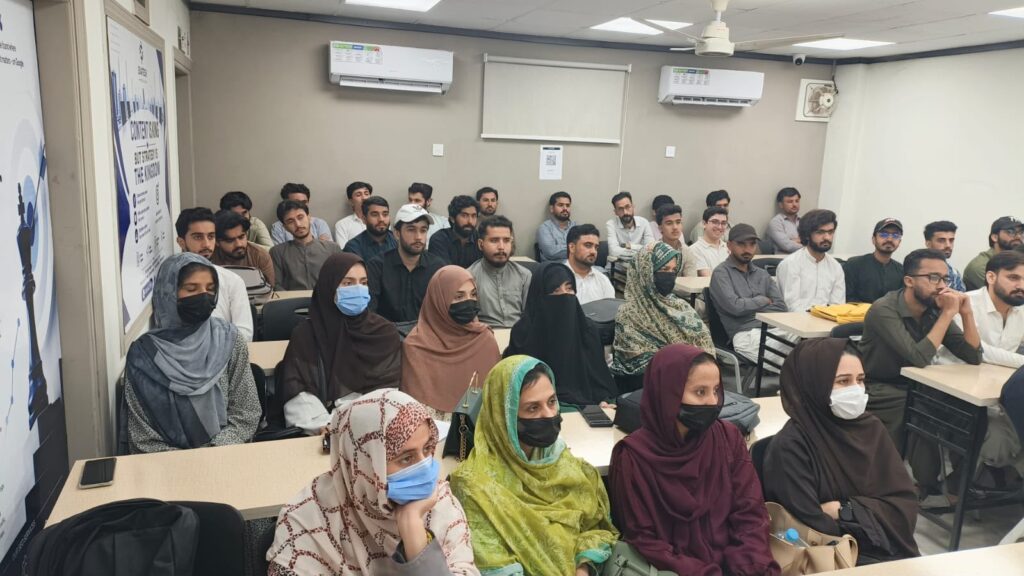
Several institutes in Peshawar offer paid training in overlapping skill areas, including Exatech Solution, with courses covering artificial intelligence, cybersecurity and ethical hacking, digital marketing, graphic design and video editing, and website development. Exatech Solution is not affiliated with NAVTTC or KP-TEVTA and does not offer government-sponsored seats. It is simply a separate, paid alternative worth comparing if the government route doesn’t currently work for your situation. Contact Exatech Solution to confirm current course details and pricing.
How to Stay Updated on New Government IT Course Batches
Check the NSIS portal and KP-TEVTA’s site directly and periodically, since new batches and trades open on a rolling basis rather than a fixed annual schedule. Government IT courses in Peshawar tend to open and close application windows every few months rather than following one predictable yearly calendar, so checking in regularly is more reliable than waiting for a specific announcement date.
It also helps to set a reminder to check both portals every month or two rather than relying on word of mouth or social media posts, since those sometimes circulate outdated information about deadlines that have already closed. Creating your NSIS account early, even before a trade you want opens, means you’re ready to apply the moment a relevant batch does open, rather than losing time setting up an account after a window has already started.
Frequently Asked Questions
Are government IT courses in Peshawar really free?
Training itself is generally described as free under NAVTTC and PMYSDP programs, though some trades or certification and assessment steps may involve a separate small fee. Confirm the exact cost structure for your specific trade directly on the NSIS portal before applying.
What is the difference between NAVTTC and TEVTA for Peshawar residents?
NAVTTC is a federal body offering nationwide training, while TEVTA generally refers to Punjab’s provincial authority and does not operate in Peshawar. The relevant provincial body for Khyber Pakhtunkhwa is KP-TEVTA, a separate organization worth checking directly.
What is the age limit for NAVTTC courses?
Age limits vary by program and trade, commonly falling somewhere between 18 and 45 in recent cycles, but this is not fixed across every trade. Confirm the exact age requirement for your chosen trade on the NSIS portal.
What education is required for government IT courses?
Minimum education varies significantly by trade, ranging from matriculation for some general vocational courses to a bachelor’s degree for some advanced IT specializations like AI or cybersecurity. Check the specific requirement listed for your chosen trade before applying.
How do I apply for NAVTTC IT courses in Peshawar?
Register on the NSIS portal with your CNIC, complete your profile and upload required documents, select your trade and preferred training center, complete any required test or interview, and confirm your admission once shortlisted.
What if I don’t qualify for a government IT course in Peshawar?
Paid private institutes are a separate option worth considering if you don’t meet current eligibility criteria or miss an application window. Several institutes in Peshawar, including Exatech Solution, offer paid training in similar IT skill areas.
Conclusion
Government IT courses in Peshawar mainly run through NAVTTC’s federal PMYSDP programs, with KP-TEVTA as a separate provincial body worth checking directly, and both eligibility rules and available batches change often enough that live confirmation matters more than any fixed number in this guide. Check the NSIS portal and KP-TEVTA’s site directly before assuming a specific trade, deadline, or fee applies to you. If the government route doesn’t currently fit your situation, get in touch with Exatech Solution to explore paid training options instead.