Agentic AI refers to AI systems that can plan and carry out multiple steps toward a goal, using tools and outside information along the way, instead of just answering one prompt and stopping. Pakistani employers are genuinely hiring for skills connected to this field, but it is worth knowing upfront that most of these roles are technical and senior-leaning today, not an easy beginner entry point. This guide explains what agentic AI actually is, how it differs from the AI tools most people already use, what employers are really asking for, and a realistic roadmap for beginners, including where an agentic AI course in Peshawar fits into that picture.
What Is Agentic AI?
Agentic AI is a class of AI systems built to plan, take multiple steps, and use tools to pursue a goal with limited human direction at each step. Instead of responding to a single question and stopping, an agent can break a task into smaller steps, decide what information or tool it needs next, act on that decision, and keep going until the goal is done. This is what separates an agent from a typical chatbot response, and it is the core idea behind almost every product or job posting that uses the word “agentic.”
How Agentic AI Differs From Regular Generative AI
Regular generative AI responds to one prompt at a time, whereas an agent chains multiple actions together, requiring less human input at each step. When you ask ChatGPT, Google Gemini, Claude, Microsoft Copilot, or Perplexity AI a question in a normal conversation, you get one response and then decide what to ask next yourself. An agentic system built on top of similar underlying models can instead take a goal, break it into steps, use tools along the way, and keep working through the task with far less back-and-forth from you at each stage.
The distinction matters practically, not just conceptually. A single AI response is easy to check, since you read it and decide whether it’s useful. An agent working through several chained steps is harder to supervise closely, which is part of why agentic systems are usually built with guardrails around what actions they’re allowed to take on their own.
Core Building Blocks of Agentic AI Systems
Agentic AI is not one single technology. It is a combination of several pieces working together.
Large Language Models as the Reasoning Engine
The large language model is what interprets the goal, decides what to do next, and generates the reasoning behind each step an agent takes. Everything else in an agentic system exists to support and extend what the underlying model can do on its own. The model itself does not inherently know how to browse the internet, run code, or update a spreadsheet. Those abilities come from the tools and orchestration layered around it, which is why the pieces below matter just as much as the model choice itself.
Prompt Engineering as the Instruction Layer
Prompt engineering still matters here, since it shapes how clearly an agent understands its goal and constraints. As covered in earlier guides on this site, prompt engineering is best treated as a useful, learnable skill rather than a standalone job title, since that dedicated title has narrowed as the underlying tools got easier to use directly. In agentic systems, it supports the work rather than being the whole job.
Tools and Orchestration
Frameworks like LangChain help developers chain steps, tools, and memory together into a working agent instead of building all of that logic from scratch. This orchestration layer is what actually turns a language model into something that can complete a multi-step task reliably, and it is a genuinely technical, code-based part of building agents.
Model Context Protocol
The Model Context Protocol, or MCP, is an open standard introduced by Anthropic in late 2024 that lets AI systems connect to external tools and data sources in a consistent way. Before something like MCP existed, developers had to build a custom connection for every single tool or data source an agent needed to use, which slowed everything down. You can read the technical specification directly on modelcontextprotocol.io.
Retrieval-Augmented Generation
Retrieval-augmented generation, or RAG, lets an agent pull in real, current information from an external source before generating a response, instead of relying only on what the underlying model learned during training. This is especially useful for agents that need up-to-date or company-specific information rather than general knowledge.
Real Examples of Agentic AI in Action
Agentic AI shows up in a few recognizable patterns rather than one single product category. Coding agents can write, test, and revise code across multiple steps instead of producing one code snippet and stopping. Customer support agents can look up account information, check order status, and take basic actions on a customer’s behalf rather than just answering questions. Research agents can search multiple sources, pull relevant information together, and compile findings into a summary.
Business automation is another common pattern, where an agent monitors incoming data, like support tickets or sales leads, and takes a first pass at sorting, prioritizing, or routing them before a person steps in. In each of these cases, what makes the system “agentic” is not any single feature; it is the combination of planning, tool use, and multi-step action working together without a human directing every individual move. These patterns show up across many different tools and companies, so it is more useful to understand the pattern than to chase any single named product.
Why Employers in Pakistan Are Hiring for Agentic AI Skills
Agentic AI-related roles are a real and growing category in Pakistan’s tech job market, and they genuinely appear across major job platforms right now. Job titles like AI engineer with an agentic focus, agentic AI developer, and technical leads for GenAI and agentic systems show up regularly in current listings. Most of this activity is concentrated in Karachi and Islamabad, and a meaningful share of these roles are remote, serving international teams and clients.
It is worth being direct about what this does not mean. No Peshawar-specific hiring pattern for agentic AI roles could be confirmed, and the roles found generally ask for real software engineering experience, sometimes several years of it, rather than being entry-level positions. This is a genuine and growing part of Pakistan’s tech job market, but it is not currently an easy or fast entry point for someone without a technical background.
What These Jobs Actually Require
Employers hiring for agentic AI roles are commonly asking for Python programming, hands-on experience with orchestration frameworks like LangChain, and API integration knowledge, alongside prior software engineering experience. This is a meaningfully different skill set from general AI tool fluency. Someone who is very good at using ChatGPT or Copilot for their existing job is not automatically qualified for an agentic AI engineering role, since building and maintaining these systems is real programming work.
Beyond the technical stack, employers also tend to value people who understand the limitations of these systems, not just how to build them. Agents can make mistakes across several chained steps, and a small error early on can compound by the end of a task. Candidates who understand how to test, monitor, and safely constrain what an agent is allowed to do stand out from those who can only build a working demo. Python is the natural starting point here, and it also appears as part of the language stack in structured web development courses, which can serve as a foundation before moving into AI-specific coding.
Can Beginners Get Into Agentic AI?
Not immediately as a builder, but yes as a starting point, if you begin with using AI tools and existing agents before trying to build your own. This mirrors the same three-tier pattern that applies to AI more broadly: using tools well requires no code, setting up no-code automation is a step up but still accessible, and actually building or customizing agents requires real programming ability. Most beginners are better served starting at the first tier and working their way toward the third over time, rather than trying to jump straight into agent development.
It also helps to be realistic about timelines. Getting comfortable using AI tools well can happen in weeks. Building real programming ability strong enough to build working agents typically takes months of consistent practice, not a single short course. Anyone who promises a fast track from complete beginner to agentic AI engineer in a matter of weeks is overselling the field, given how technical the building side genuinely is.
Agentic AI Roadmap: From Beginner to Job-Ready
This roadmap runs through five stages, and each one builds on the last.
Step 1: Get Comfortable Using Existing AI Tools and Simple Agents
Spend real time using generative AI tools and any pre-built agents you have access to, and pay attention to what they do well and where they struggle. This builds the intuition that makes every later step easier to understand.
Step 2: Learn Prompt Engineering as a Practical Skill
Practice writing clearer, more structured instructions and notice how much the quality of results changes. This skill carries directly into agent work later, since agents still need to be instructed clearly.
Step 3: Build Core Programming Ability, Starting With Python
This is the step most beginners underestimate. Real agent building requires real programming skill, and that takes consistent practice over months, not a short course. Start with core Python fundamentals before moving toward anything AI-specific.
Step 4: Learn How Orchestration Frameworks and Tool-Calling Work Conceptually
Once you have basic Python skills, start learning how frameworks like LangChain connect a model to tools, memory, and multi-step logic. Understanding the concepts first makes the code much easier to follow later.
Step 5: Build Small, Real Agent Projects and Share Them
Build a few small, genuinely working agent projects, even simple ones, and share the code on GitHub. A portfolio of real, working projects matters more to employers than any certificate alone, especially in a field this technical and fast-moving.
Where Does an Agentic AI Course in Peshawar Fit In?
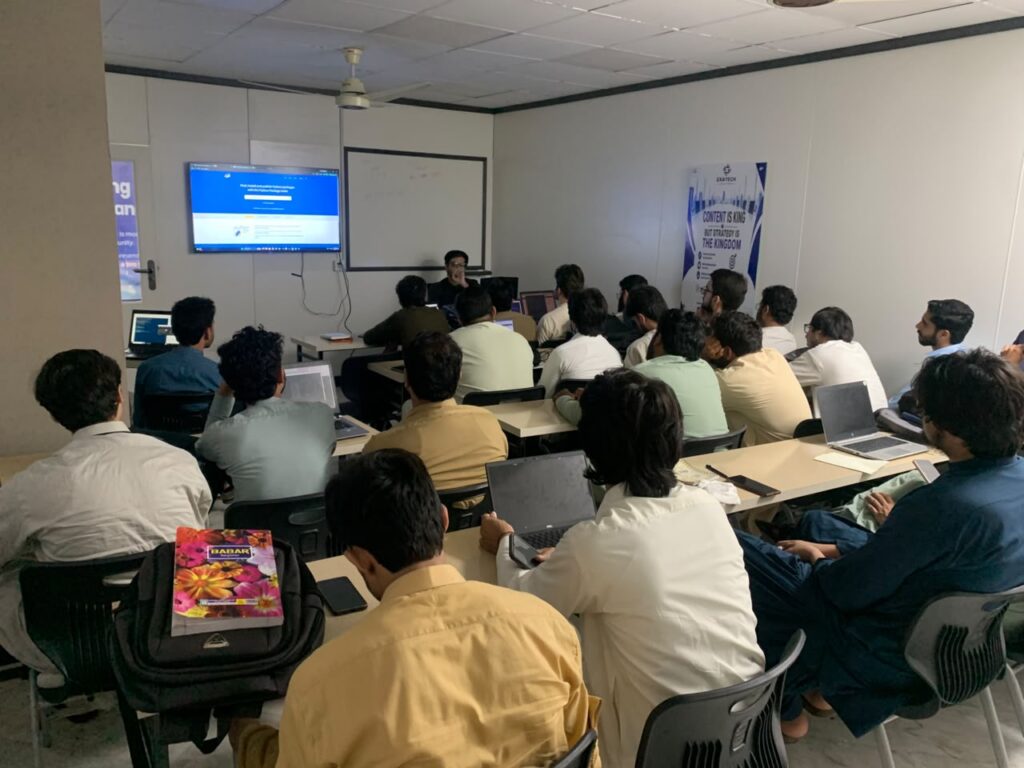
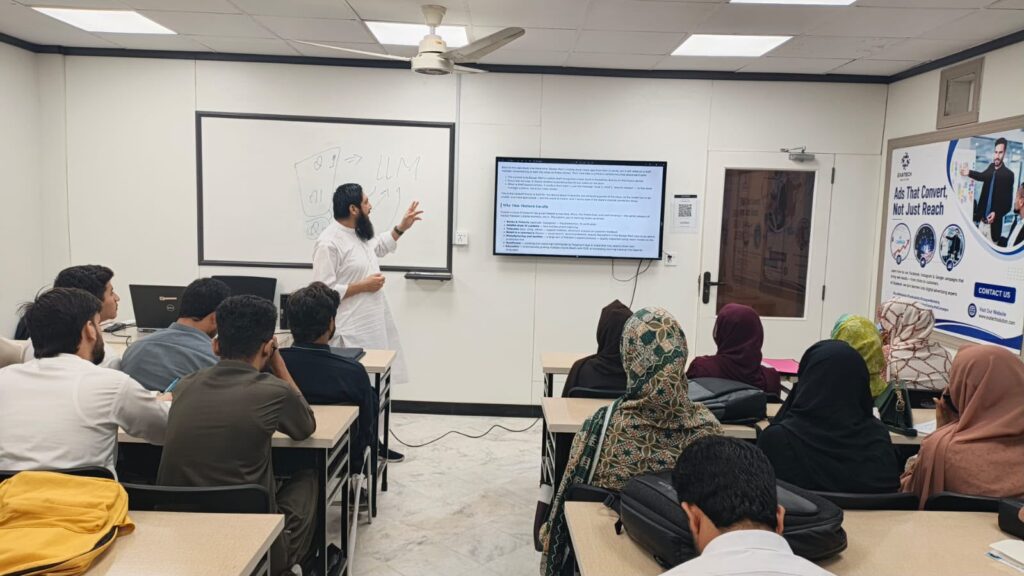
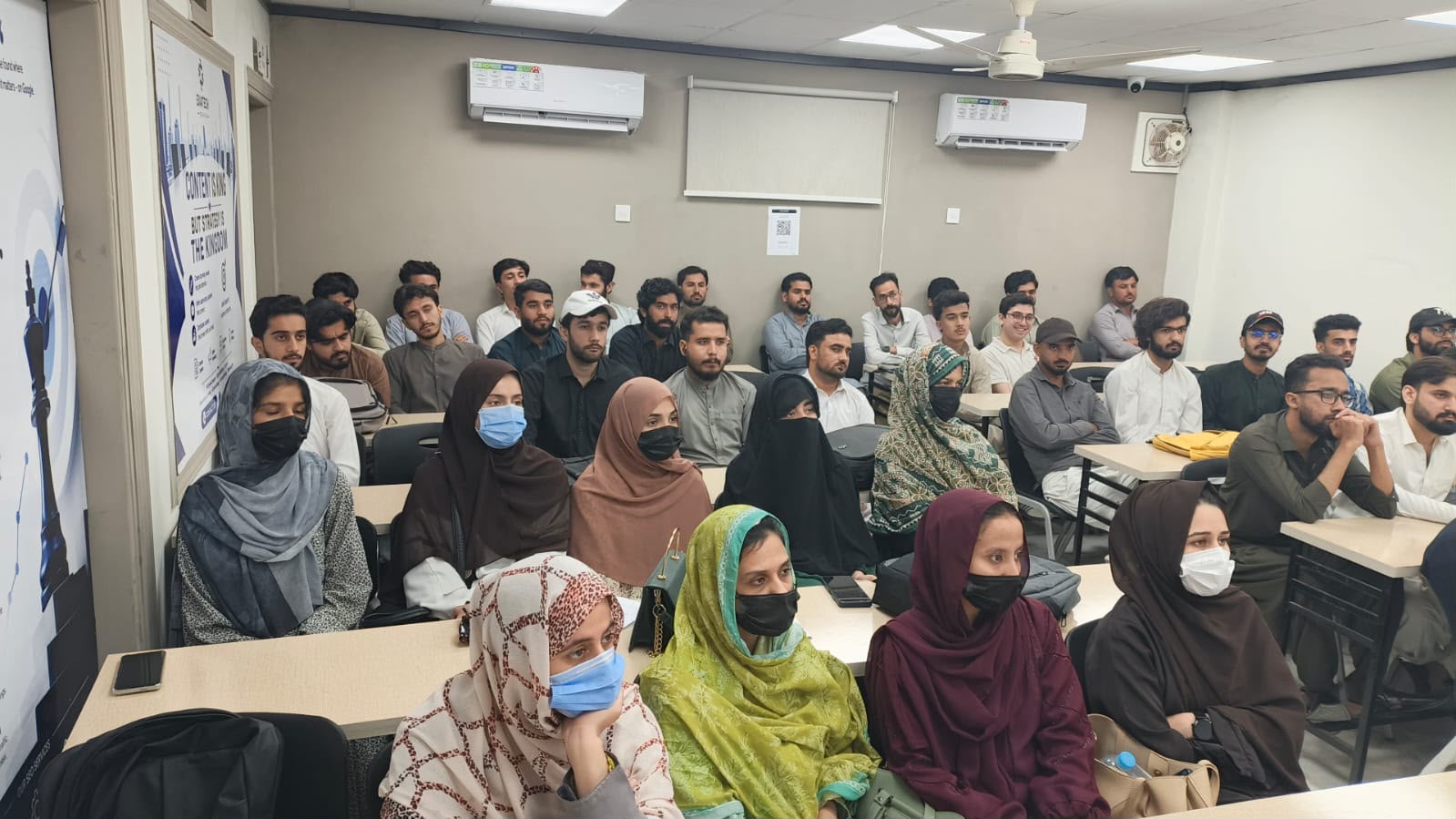
Exatech Solution offers a paid AI training course in Peshawar, and it is a reasonable place to start building foundational AI knowledge before moving into agentic AI specifically. Since agentic AI is still an emerging, fast-changing specialization, it is worth confirming directly what the current course syllabus covers, including whether topics like LangChain, MCP, or hands-on agent building are part of it, rather than assuming. Details on the course are available on the AI training page, and background on the trainers is on the About Us page. Whichever institute you consider, ask specifically about agentic AI content before enrolling if that is your goal.
Frequently Asked Questions
What is Agentic AI in simple terms?
Agentic AI refers to AI systems that can plan and carry out multiple steps toward a goal with limited step-by-step human direction, rather than just answering one prompt at a time. It can use tools, pull in outside information, and take action across a task instead of stopping at a single response.
Is there a good Agentic AI course in Peshawar?
Exatech Solution offers a paid AI training course in Peshawar that covers AI fundamentals. Since agentic AI specifically is a fast-changing specialization, confirm directly what the current syllabus covers, including whether it touches LangChain, MCP, or hands-on agent building, before enrolling.
Are companies in Pakistan really hiring for Agentic AI roles?
Yes, agentic AI-related job postings genuinely appear on major platforms for the Pakistani market, though they are concentrated mostly in Karachi and Islamabad, often remote, and typically ask for real programming experience rather than being entry-level roles.
Do I need to know Python for Agentic AI?
Yes, for building or customizing agents. Most agentic AI roles ask for Python and experience with orchestration frameworks. Using existing AI tools or simple pre-built agents does not require coding, but building your own does.
What is the difference between an AI chatbot and an AI agent?
A chatbot, like a single ChatGPT conversation, responds to one prompt at a time. An AI agent can chain multiple steps together, use tools, and pursue a goal with less human input at each step, which is the core difference agentic AI is built around.
How do I start learning Agentic AI as a beginner?
Start by using existing AI tools and simple agents to understand how they work, then learn prompt engineering, then build core Python skills if you want to go further. Small real projects shared on GitHub matter more than any single course alone.
Conclusion
Agentic AI is a real and growing category in Pakistan’s tech job market, built around systems that can plan, use tools, and carry out multi-step tasks rather than just answer single prompts. Right now it skews senior and technical, concentrated mostly in Karachi and Islamabad, so it is worth approaching as a field to build toward rather than a fast entry point. An agentic AI course in Peshawar, like the paid AI training Exatech Solution offers, can be a reasonable starting point for the fundamentals, but confirm exactly what it covers before assuming it includes agent-building specifically. If you want to talk through what fits your background, get in touch with Exatech Solution directly.